
Tips for conducting remote code competency assessments in recruitment
Discover tips to conduct effective remote programming tests and streamline developer hiring with better accuracy, speed, and candidate experience.

Hiring great developers remotely isn’t just a trend; it’s become the norm. With over 86% of tech companies now offering remote or hybrid roles, assessing programming skills virtually is more important than ever.
But conducting remote code competency assessments comes with its own set of challenges, from preventing cheating to ensuring a smooth candidate experience. For HR teams in large organizations, the stakes are high: a single bad hire can cost up to $240,000.
In this blog, we’ll share practical tips to help you run remote coding assessments that are fair, efficient, and scalable without compromising on quality or candidate engagement.
 ChatGPT
 Gemini
 Claude
 Grok
Grok Perplexity
Why conduct remote code competency assessments?
Before we dive into the tips, let’s understand why remote testing is so critical, especially at the top end of hiring, where developer roles are competitive.
Talent is now global
Remote hiring opens up access to developers across time zones and geographies. But that also means your assessment process needs to scale across borders, internet speeds, and cultural expectations.
Resume-based hiring is outdated
Years of experience don’t always translate to skill. Remote code competency assessments allow you to evaluate what candidates can actually do, not just what they say they’ve done.
Speed is everything
Great candidates don’t stay on the market for long. Streamlined testing helps HR teams move faster from screening to interview, improving both time-to-hire and candidate conversion rates.

Tips for conducting remote code competency assessments
Remote code competency assessments can be incredibly effective when done right. Here are practical, actionable tips to help you assess developers efficiently while keeping the candidate experience strong.
1. Define clear skill requirements first
Before you create or assign a test, pause and think about what skills you actually want to assess.
Do you need someone who can debug production code? Build scalable APIs? Understand system design? Each role needs a different type of code competency assessment.
A common mistake is using generic algorithm tests that don’t align with the day-to-day responsibilities of the job.
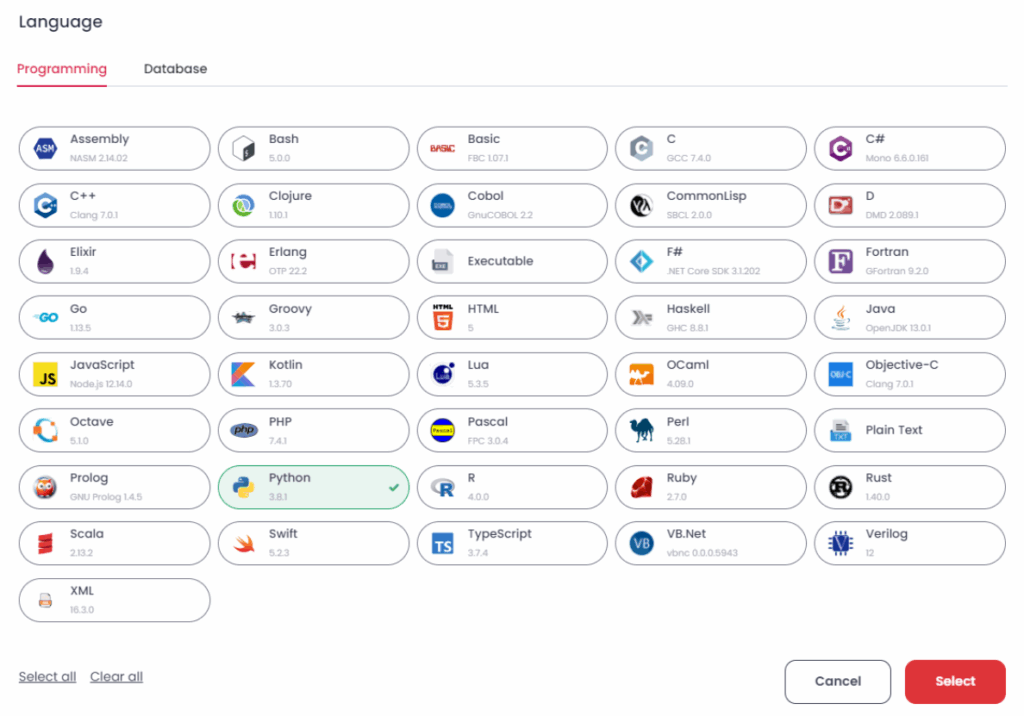
Pro tip: Use real-world simulations instead of abstract problems. Platforms like Testlify offer customizable, role-specific programming challenges that reflect actual developer work across multiple programming languages.
2. Choose the right format for the role
Not all code competency assessments are created equal. The format should match the seniority, domain, and day-to-day tasks of the job.
- Entry-level roles: Short programming exercises or bug-fixing challenges work well.
- Mid-senior roles: Consider full mini-projects (2–4 hours) that simulate a real task.
MCQs work well for assessing theoretical knowledge or tech stack familiarity. But they shouldn’t be your primary filter for experienced engineers.
- Live coding: Great for collaboration-based roles or when assessing soft skills alongside technical ones.
- Asynchronous tests: Better for giving candidates flexibility, especially in remote setups.
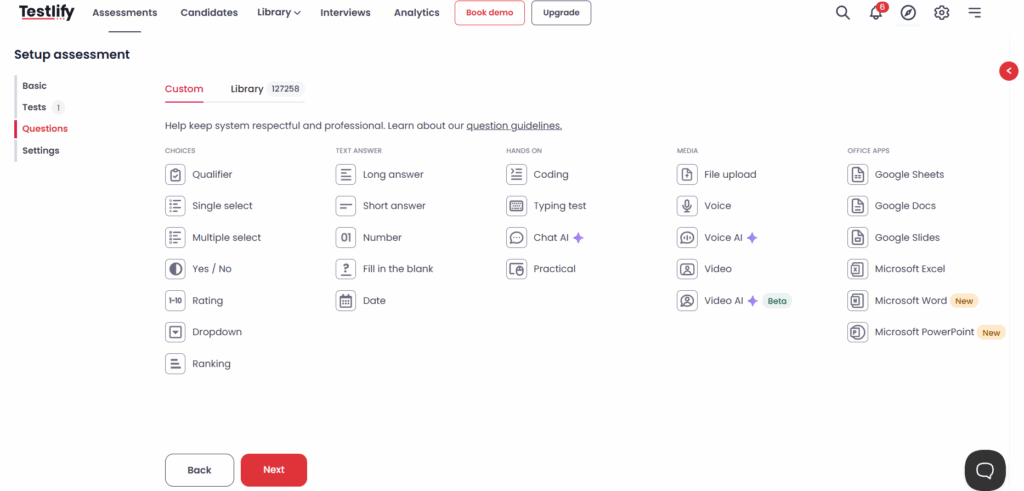
Pro tip: Tools like Testlify support both live and asynchronous tests, so you can choose what fits best per role or stage.
3. Make candidate experience a priority
Remember, your code competency assessment is often a candidate’s first impression of your engineering team. A bad test experience can turn great developers away.
Tell candidates:
- What kind of questions do they face
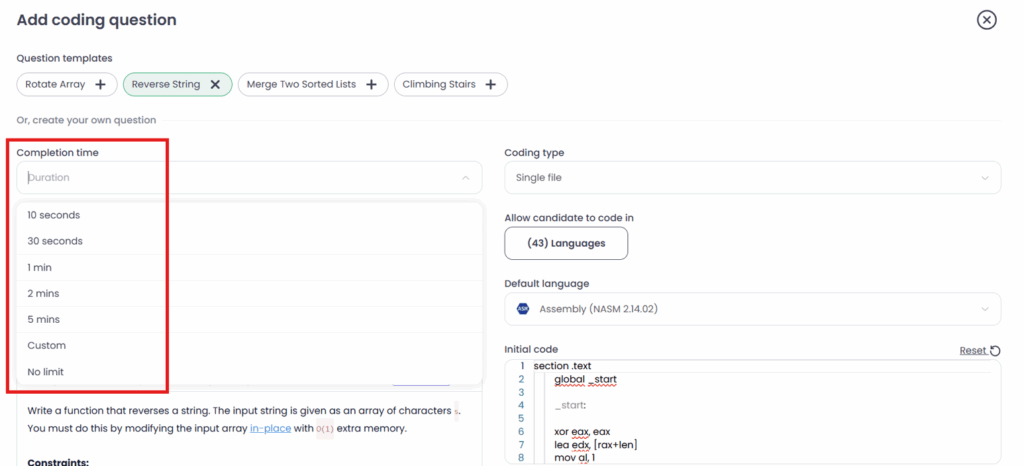
- How long will the test take
- If they need a webcam or screen share
- When they’ll hear back
Avoid sending 3-hour-long tests unless the role genuinely requires it. Ideally:
- Entry-level tests: 30–60 mins
- Mid-senior level: 60–90 mins
If a longer assessment is needed, offer it in stages or communicate upfront why it’s worth the effort. With platforms like Tesatlify, you can even choose the duration for each question.
Programming challenges that resemble real work are more engaging and less intimidating. Think: build a small app, improve a feature, or debug real code.
4. Prevent cheating without creating distrust
One of the biggest concerns in remote assessments is cheating. But going overboard with surveillance can damage your employer brand.
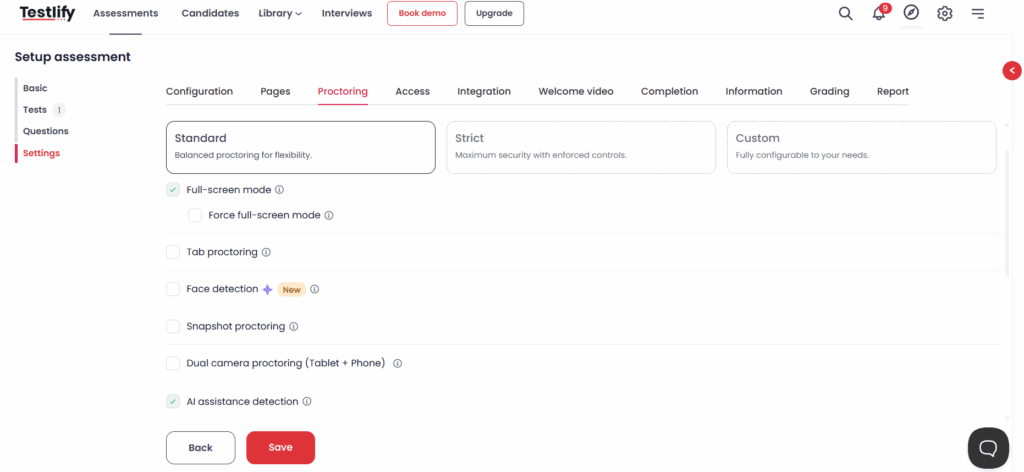
Instead of recording someone’s entire screen or webcam for 90 minutes, look for lightweight proctoring:
- Copy-paste tracking
- Tab switching detection
- Code similarity checks
These give you enough confidence in the results without making candidates uncomfortable.
Testlify, for example, offers discreet anti-cheating measures that protect integrity while still respecting candidate privacy.
In the real world, developers Google things all the time. Design tests that reward understanding, not memorization.
5. Automate scoring, but include manual review too
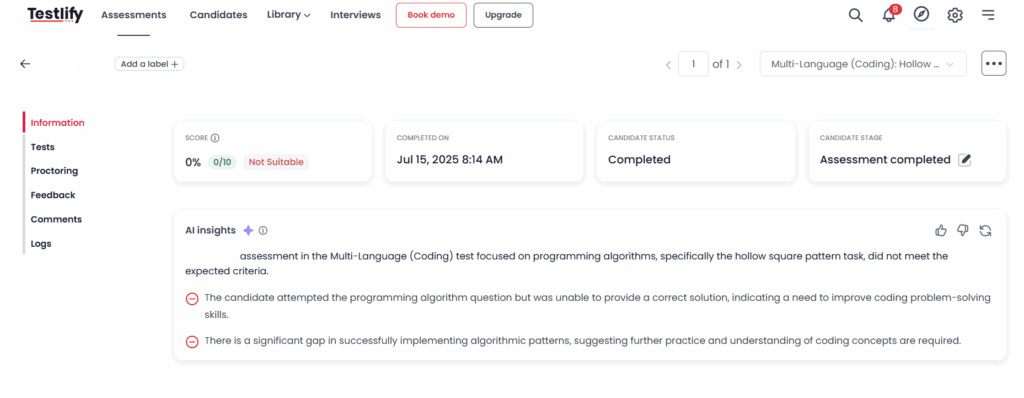
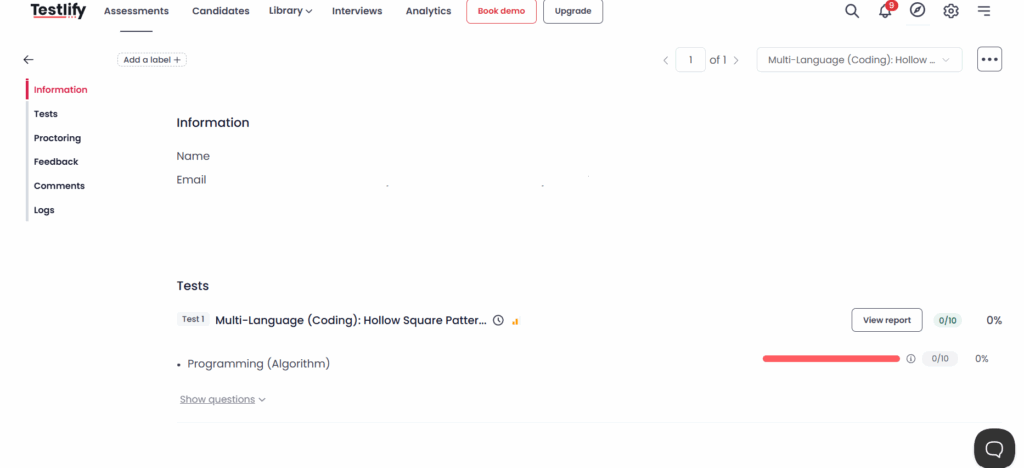
Automation is great for speed. This saves time for your recruiters and helps you screen large volumes efficiently. Talent assessment and interview platforms like Testlify have AI-powered scoring system that scores and provides insight for the candidates assessment with an option for you to review the code manually.
6. Use the test as a branding opportunity
Your test says a lot about your culture, tech stack, and how much you respect engineers.
Add a short intro, share your team’s values, or use your real company repo as the base for the test.
Even small touches like a friendly tone in the test instructions can make a big difference in candidate experience.
If you use tools like Docker, GraphQL, or specific CI/CD workflows, consider integrating them into the test. It gives candidates a taste of real-life work.
Testlify allows for integration testing into your full hiring workflow, integration of company-specific tools and environments to build custom, branded assessments.
7. Track metrics and improve continuously
Don’t just “set and forget” your code competency assessment. Use it as a feedback loop to optimize your hiring funnel.
- Completion rate: Are candidates dropping off? Maybe the test is too long.
- Pass rate: Too many failures might mean the test is too hard or poorly worded.
- Correlation with on-the-job performance: This is the gold standard. Over time, check how well test scores match real performance.
Try testing different types of questions, formats, and even timing to see what works best.
With a platform like Testlify, you can view test analytics, track candidate performance trends, and tweak assessments accordingly with multiple question types.
8. Integrate testing into your full hiring workflow
code competency assessments are powerful, but they shouldn’t be siloed. The best results come when they’re part of a seamless hiring workflow.
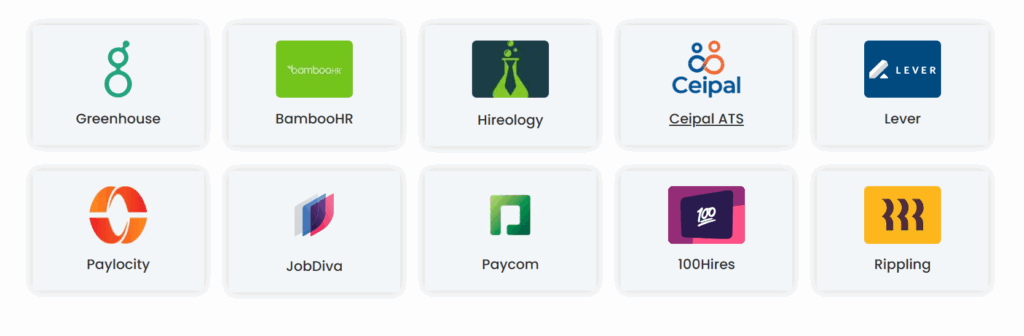
If your test tool doesn’t integrate with your ATS or interview scheduling platform, you’ll lose time and data. Testlify offers direct integrations with 100+ tools like Greenhouse, Lever, and others.
Don’t repeat what’s already been tested. Instead, use test results to:
- Guide follow-up questions
- Discuss code decisions
- Dive into collaboration or debugging
This makes your interviews richer and more productive.
9. Test for soft skills too
Technical skills are only one piece of the puzzle. Especially in remote roles, communication, accountability, and time management are just as crucial.
Ask candidates to explain:
- Their thought process behind the code
- How they approach teamwork
- What they do when they’re stuck
Testlify includes one-way video questions that you can add to any assessment so you can assess tech and soft skills together.
10. Give feedback (Yes, even when they don’t pass)
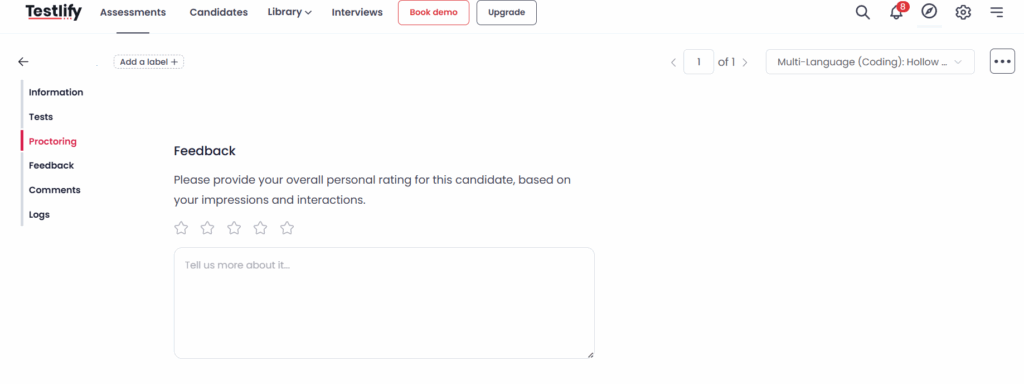
Candidates spend time and energy on your test. Giving even basic feedback shows that you value their effort and protects your brand.
At a minimum, share:
- Test result summary
- Benchmark or percentile
- Optional re-application info
For top candidates or niche roles, consider adding a line or two of manual feedback. It builds goodwill and can bring them back in future rounds.
With Testlify, you can automate rejection messages while still keeping them personalized.
Final thoughts: Remote testing is here to stay, make it work for you
As software hiring evolves, so must your assessment process. Remote code competency assessments, when done right, offer an efficient, fair, and scalable way to find top developer talent.
But it’s not just about tools, it’s about creating a thoughtful experience that reflects your company’s standards and culture.
Platforms like Testlify make it easier to build real-world coding tests, prevent cheating, score candidates at scale, and improve continuously so your hiring decisions are backed by data, not guesswork.
Whether you’re hiring for one role or scaling a global dev team, these tips will help you make the most of remote assessments.
Want to see how it works? Book a demo and experience smarter hiring for developers done right.

Content Writer
Yashika Khandelwal is a Content Writer with 3+ years of experience creating research-backed content on hiring, talent assessment, and HR technology. She is a registered Organizational Psychologist and subject matter expert who combines behavioral science with practical recruitment insights to produce accurate, evidence-based content.
LinkedInRelated resources
View all
Skill assessment
What to do when a top candidate fails a skills assessment

Skill assessment
Choosing a programming skills assessment: How and why?

Skill assessment
Why cognitive reasoning matters for a future-proof workforce

Skill assessment
5 ways organizations can assess culture fit using personality tests

Skill assessment
5 ways skill-based hiring can counter gender gap

Skill assessment
How to choose the right programming test for your hiring needs
Get started.
Hire on proof, not resumes.
Run your first skills-based assessment free — no credit card required.