
How to integrate problem-solving and critical thinking in programming tests
Learn how to integrate problem-solving and critical thinking into coding tests to hire better developers. Smart tips for HR and tech hiring teams.

Hiring developers isn’t just about checking who can write the fastest code, it’s about identifying those who can think critically and solve real-world problems.
In fact, a LinkedIn report shows that 92% of talent professionals say soft skills like problem-solving are equally or more important than hard skills, yet most coding assessments still focus only on syntax. As tech roles become more complex, organizations need smarter ways to evaluate how candidates think, not just what they know.
This blog explores how HR teams can integrate critical thinking and problem-solving into coding tests to make better, future-proof hiring decisions.
 ChatGPT
 Gemini
 Claude
 Grok
Grok Perplexity
Why go beyond syntax in code proficiency tests?
Most traditional coding tests evaluate candidates on syntax, algorithms, and sometimes speed. They tell you whether someone knows how to reverse a string or implement bubble sort but they often fall short in assessing how candidates approach unfamiliar problems, reason through edge cases, or debug under pressure.
That’s where critical thinking and problem-solving come in. These skills give you a deeper, more realistic understanding of how a candidate will perform on the job.
In real teams, developers rarely work in isolation or write perfect code on the first try. They:
- Debug legacy code.
- Deal with ambiguous requirements.
- Optimize for performance and readability.
- Collaborate with non-technical stakeholders.
- Make architectural trade-offs.
So when your assessments only test for coding proficiency without examining how a candidate thinks, you’re getting an incomplete picture.

What is problem-solving and critical thinking in tech?
Problem-solving
Problem-solving in tech means the ability to identify bugs, design efficient solutions, break down large problems into manageable tasks, and iterate when something doesn’t work. It’s about how someone approaches uncertainty.
Critical thinking
Critical thinking goes one step further. It’s the ability to:
- Analyze and evaluate code decisions.
- Question assumptions.
- Prioritize tasks.
- Understand the consequences of certain implementations.
When you combine both, you get developers who don’t just write functional code they write thoughtful, maintainable, and scalable code.
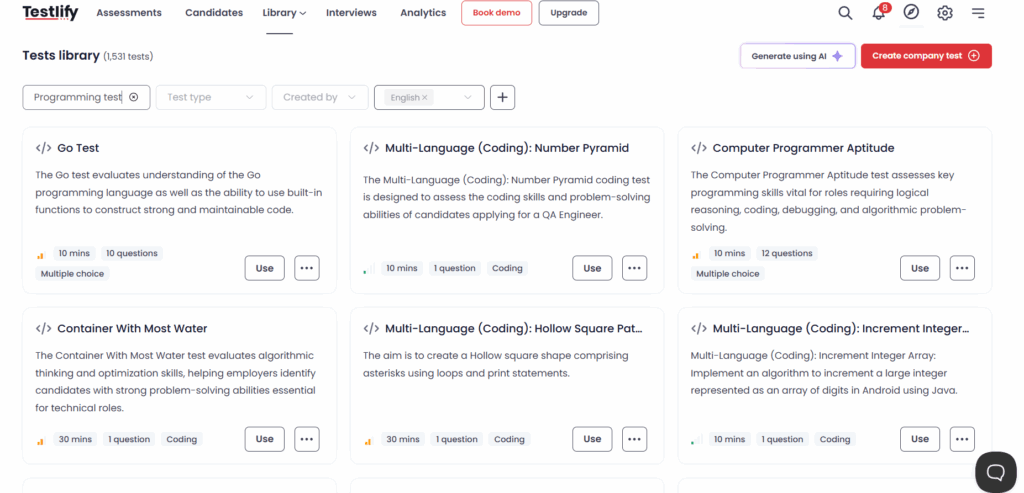
How to integrate these skills in your coding tests?
Let’s talk about practical ways to integrate these abilities into your tech hiring process.
1. Use real-world scenarios
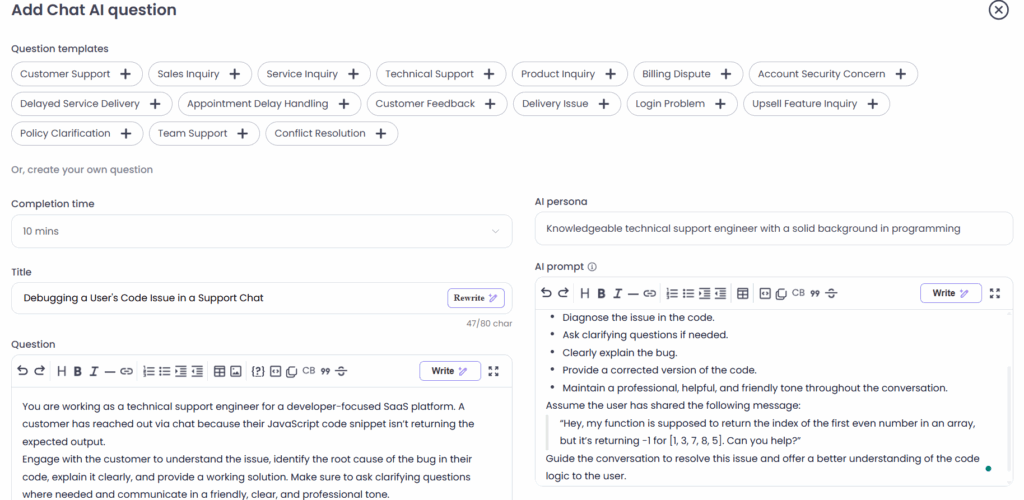
Instead of abstract algorithm puzzles, present candidates with real-world problems they might face in your company. For example:
- “Refactor this messy codebase for readability and performance.”
- “You have an API that returns data in inconsistent formats. How would you normalize it?”
- “Build a feature under a given constraint (like memory or speed).”
These scenarios force candidates to think critically and demonstrate their problem-solving approach, not just their ability to Google syntax.
2. Evaluate the process, not just the output
Instead of grading only the final answer, assess how the candidate got there:
- Did they read and understand the problem?
- How did they break it down?
- Did they handle edge cases?
- Did they write clean, maintainable code?
- Did they explain their thought process?
Tools like Testlify allow recruiters to customize assessments so you can evaluate both code and reasoning, giving you a more holistic view.
3. Add debugging and code review challenges
Many developers spend a huge chunk of their time debugging or reviewing others’ code. You can add a debugging section where candidates:
- Fix a broken code snippet.
- Identify performance bottlenecks.
- Suggest improvements during a code review.
This not only checks their coding chops, but also their ability to think critically under pressure, just like they’d need to on the job.
4. Include open-ended questions
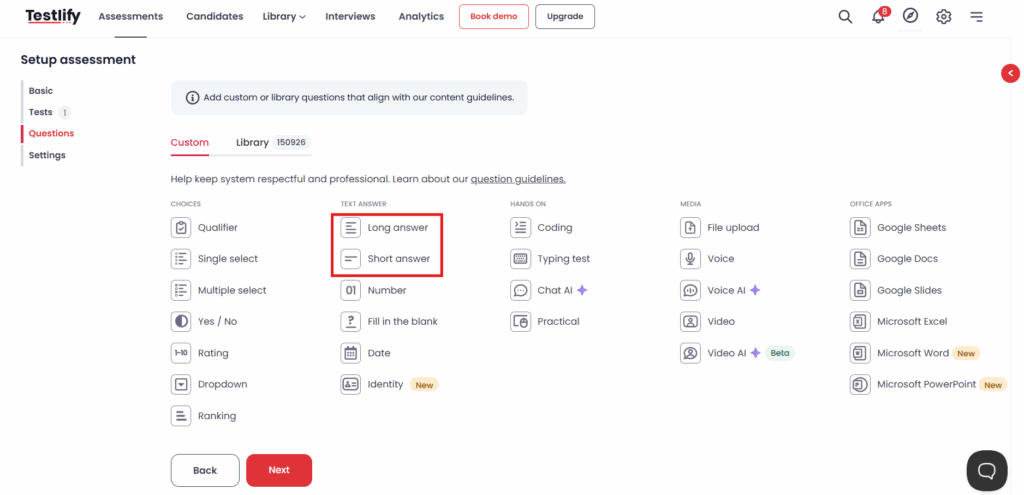
Add a few open-ended questions after the coding challenge:
- “What would you do differently if you had more time?”
- “How would you scale this solution?”
- “Why did you choose this approach over another?”
These responses reveal the candidate’s thought process and help you evaluate their critical thinking more clearly.
5. Mix in collaborative tasks
Incorporate a pair coding tasks or group code review (as part of a final interview round) where candidates:
- Communicate their ideas.
- Navigate trade-offs.
- Adapt to others’ feedback.
This not only tests critical thinking in a real-time environment but also reveals soft skills like collaboration and flexibility.
How Testlify help HR teams get this right?
Testlify is a talent assessment platform built for real-world hiring. We help HR teams in fast-growing and enterprise organizations test for coding skills and cognitive ability without making the experience dreadful for candidates.
Here’s how:
Real-world programming challenges
Testlify’s coding tests reflect real workplace scenarios, not just academic algorithms. Candidates might debug legacy code, optimize performance, or work with APIs just like they would on the job. This helps you identify developers who can think critically, solve real problems, and hit the ground running in your actual environment.
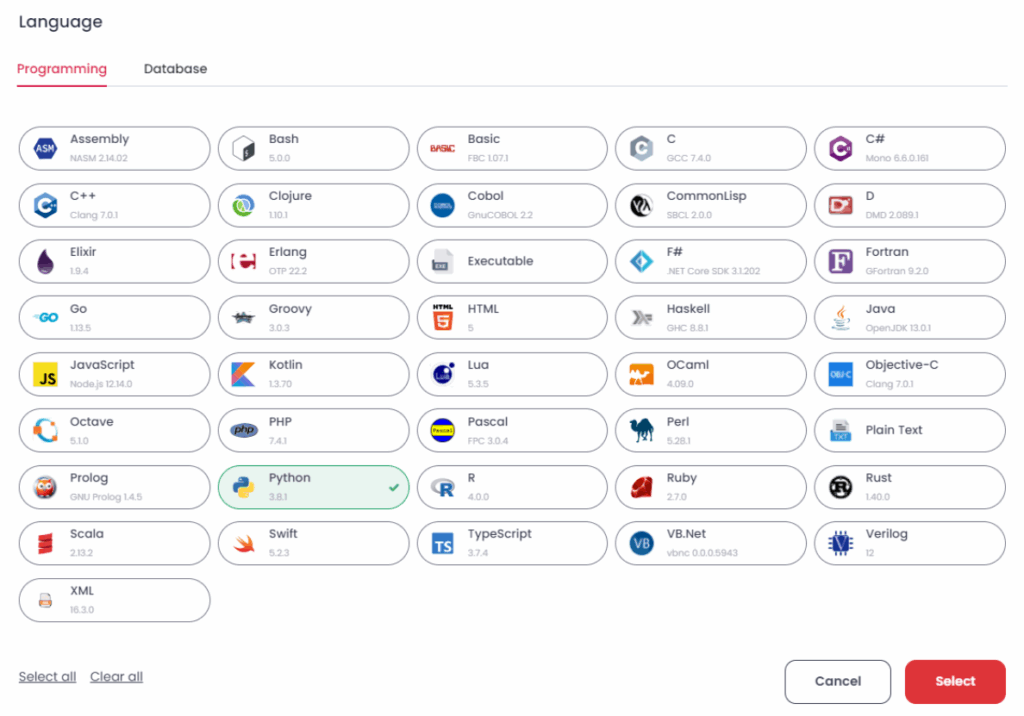
Customizable test workflows
With Testlify, you can create tailored assessments by combining coding tasks, cognitive questions, and role-specific challenges. Whether you’re hiring a frontend engineer or a DevOps specialist, our platform lets you design workflows that reflect the skills your team actually needs no cookie-cutter testing, just meaningful, job-relevant evaluations.
Coding, debugging, and review tasks
Testlify lets you go beyond simple coding questions. You can include debugging scenarios, ask candidates to review messy code, or pose open-ended challenges that test deeper problem-solving. This variety paints a fuller picture of how candidates approach and resolve the kinds of issues they’ll face in your teams.
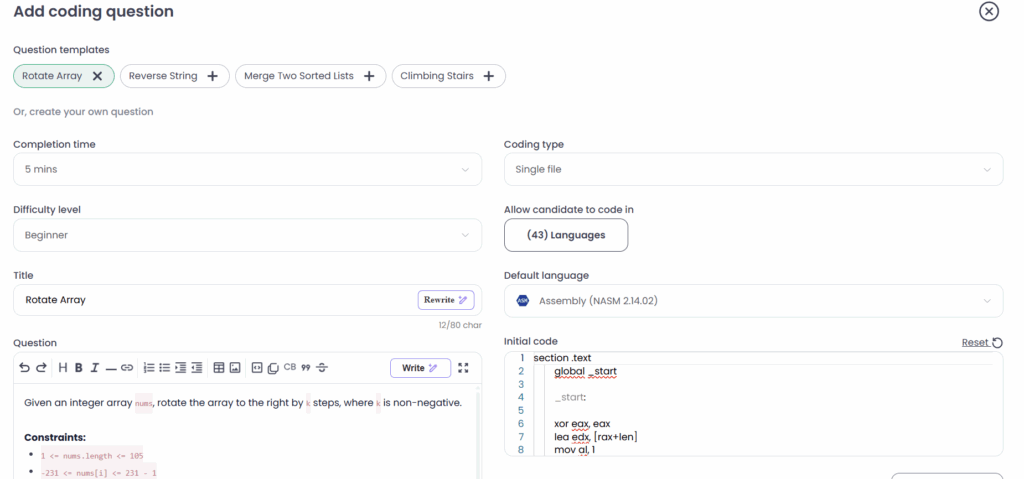
Structured scoring rubrics
Don’t just judge answers, understand how candidates think. Testlify’s scoring rubrics let you assess logic, clarity, communication, and strategic thinking alongside code correctness. It ensures you hire candidates who not only solve problems but also do so in a way that aligns with your team’s standards and values.
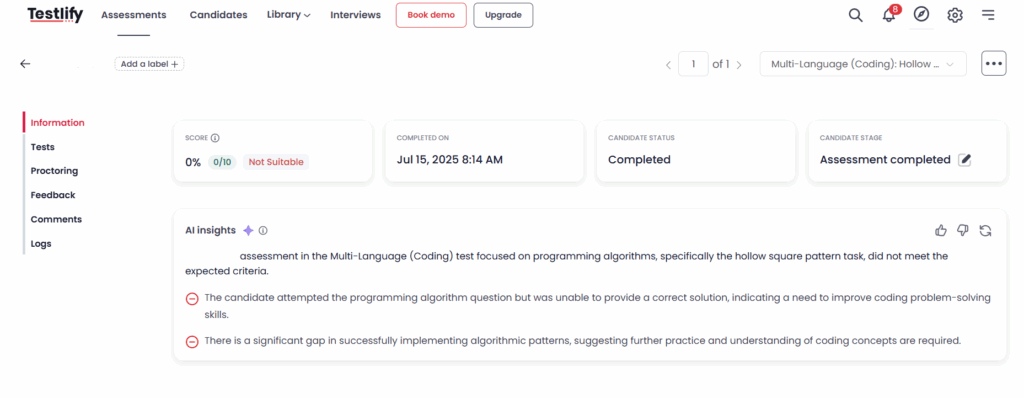
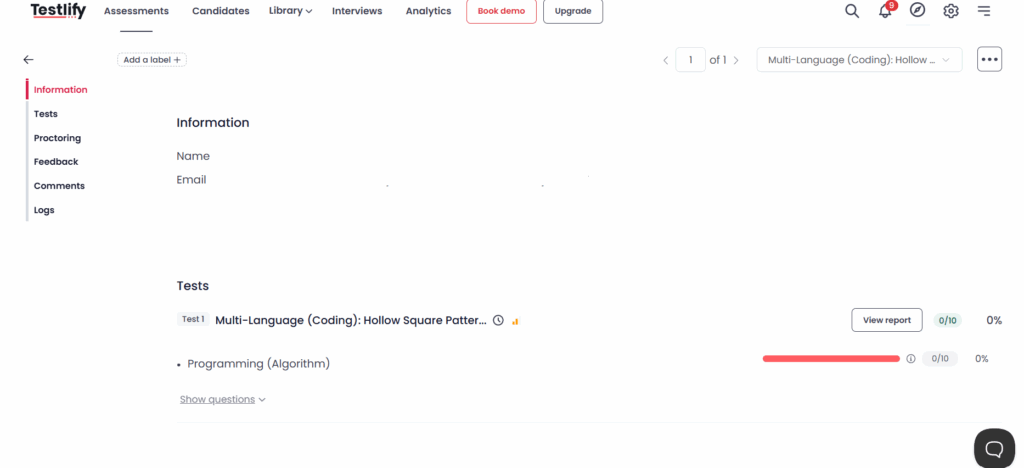
ATS integrations and automation
Streamline your hiring with Testlify’s ATS integrations and automation features. Automatically send assessments, receive real-time results, and view detailed candidate reports all within your existing hiring workflow. This saves time for recruiters and ensures a smooth, consistent candidate experience from screening to selection.
What to look for in a code testing platform?
If you’re evaluating platforms to level up your technical hiring assessments, here are a few non-negotiables to keep in mind:
Test variety and customization
Look for a platform that offers diverse question types MCQs, live coding, debugging, case studies, and soft skill assessments. Flexibility is key. You should be able to tailor tests for specific roles, skill levels, or tech stacks, ensuring your evaluations closely match the challenges candidates will face on the job.
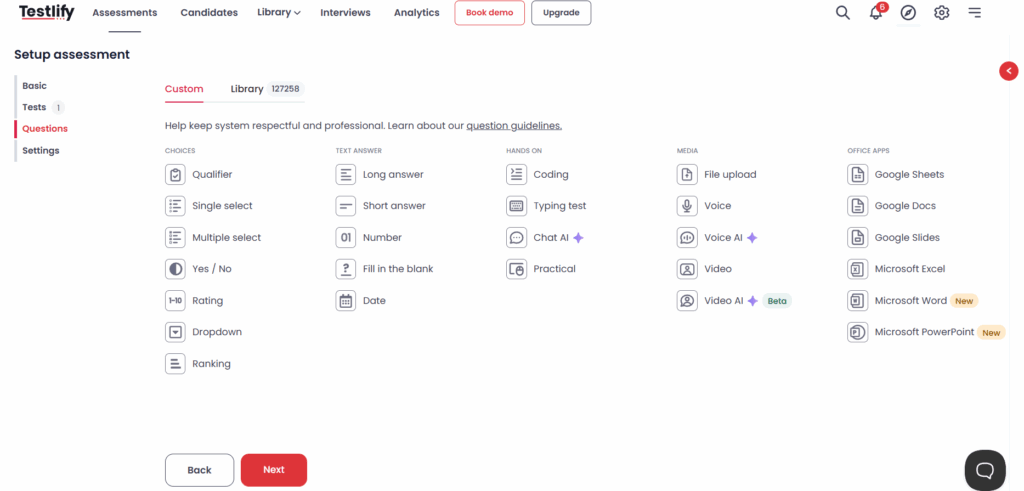
Candidate experience
A long or clunky test can turn great candidates away. Choose a platform with a clean, intuitive interface that guides users smoothly through each section. Balanced test length, engaging formats, and instant feedback can improve completion rates and leave candidates with a positive impression of your company from the very first interaction.
Real-world relevance
Avoid overly academic or outdated assessments. Your coding tests should reflect the real challenges developers face working with APIs, dealing with edge cases, reviewing code, or optimizing features under constraints. Real-world tasks not only test technical skills but also highlight how candidates think, prioritize, and adapt in practical situations.
Anti-cheating and security
To maintain test integrity, your platform should include anti-cheating tools like screen recording, tab-switch alerts, copy-paste detection, and AI-based behavior monitoring. These features ensure fair assessments and reduce the risk of hiring candidates who might have misrepresented their skills during the test.
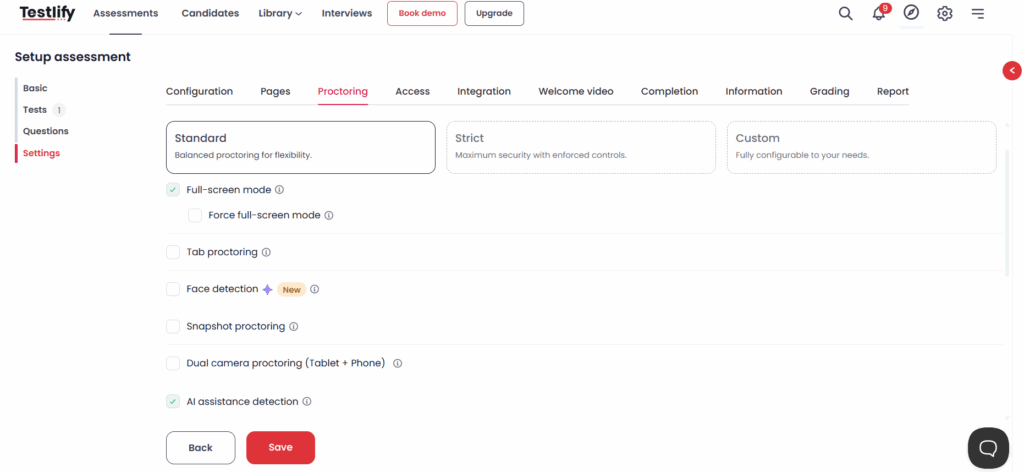
Deep analytics
Go beyond pass/fail. The right platform should provide detailed insights into candidate performance how much time was spent on each question, how they approached problems, code quality, and even cognitive or behavioral signals. These analytics help hiring managers make data-driven decisions and compare candidates more effectively.
Final thoughts
The best developers aren’t just great coders, they’re great thinkers. By integrating problem-solving and critical thinking into your code proficiency tests, you ensure your hiring process reflects the realities of the job.
It’s not just about skill. It’s about mindset.
And with platforms like Testlify, it’s easier than ever to assess both.
So the next time you’re hiring tech talent, ask yourself: “Are we testing for syntax or for substance?” Because the difference could define the success of your entire engineering team.

Content Writer
Yashika Khandelwal is a Content Writer with 3+ years of experience creating research-backed content on hiring, talent assessment, and HR technology. She is a registered Organizational Psychologist and subject matter expert who combines behavioral science with practical recruitment insights to produce accurate, evidence-based content.
LinkedInRelated resources
View all
HR & recruitment
Coding bootcamps: A new frontier in developer hiring

HR & recruitment
Top 10 must-have elements in a successful programming test

HR & recruitment
Avoiding 5 common pitfalls in the developer hiring process

HR & recruitment
IT skills testing: Everything you need to know

HR & recruitment
Combining personality data with other predictive metrics

HR & recruitment
Lead generation team: roles, structure, and how to build one
Get started.
Hire on proof, not resumes.
Run your first skills-based assessment free — no credit card required.