
6 new and emerging trends in developer evaluation assessments
Discover trends in developer evaluation assessments that help HR teams hire faster, smarter, and more fairly, real-world tasks, AI, soft skills & more.

Tech hiring has evolved dramatically over the last few years. With remote work becoming the norm, AI reshaping industries, and top developers becoming more selective, traditional developer evaluation assessments are no longer enough. Candidates expect fair, engaging, and skill-relevant assessments, and HR teams need to keep up.
In fact, 54% of tech candidates say they’re more likely to complete a hiring process if the coding test is relevant and engaging. That’s a big number. It shows just how important it is to modernize your testing methods.
In this blog, we’ll explore 5 new and emerging trends in developer evaluation assessments that HR leaders, recruiters, and TA teams should know about. Whether you’re hiring for one engineer or building an entire tech team, these trends can help you streamline your hiring process and attract better talent.
 ChatGPT
 Gemini
 Claude
 Grok
Grok Perplexity
1. Real-world problem solving over algorithmic puzzles
For years, tech assessments focused on abstract algorithmic problems, such as reversing a linked list or solving a maze with recursion. While these problems test logic, they often don’t reflect what developers actually do at work.
Today, companies are shifting towards real-world problem solving that mirrors the day-to-day responsibilities of the role.
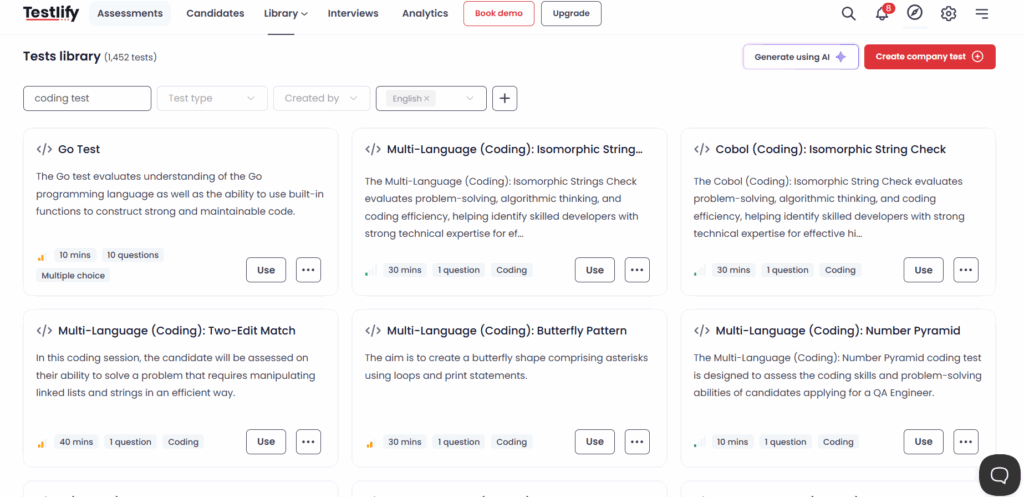
What do real-world developer evaluation assessments look like?
These tests are designed to simulate actual job tasks. For example:
- Building a REST API for a to-do app
- Debugging a broken front-end feature
- Writing SQL queries to generate a report from a dataset
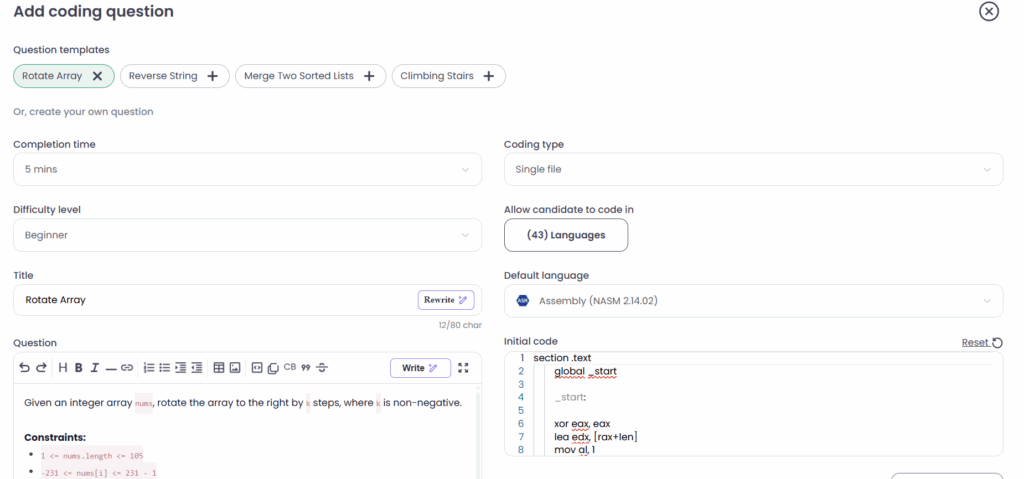
This approach helps identify developers who can think through practical challenges and write clean, maintainable code, skills that matter far more than theoretical mastery.
How HR can leverage this trend?
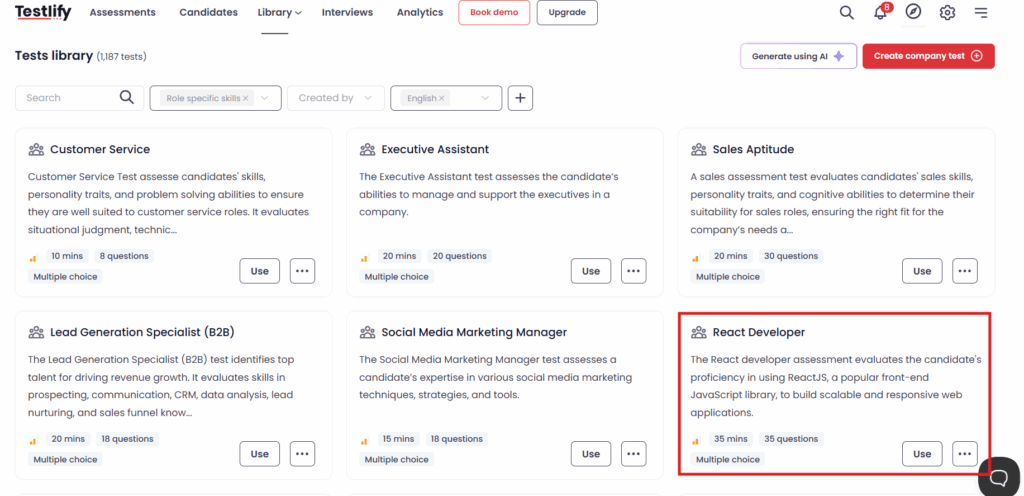
Platforms like Testlify have embraced this shift by offering role-specific assessments that include real-world tasks. This means:
- Tests are more aligned with what the role demands
- Candidates feel the assessment respects their time
- Hiring managers get a clearer picture of job-readiness
HR tip: When creating tests, collaborate with your dev team to design scenarios based on real bugs or features your team has worked on.

2. Adaptive testing for personalized skill evaluation
Another big shift? Moving away from a “one size fits all” assessment. Developers come from diverse backgrounds, some may excel in frontend development but not in system design, and vice versa.
Adaptive testing customizes the difficulty and content of the test based on the candidate’s responses. It’s like a smart test that evolves as the person progresses.
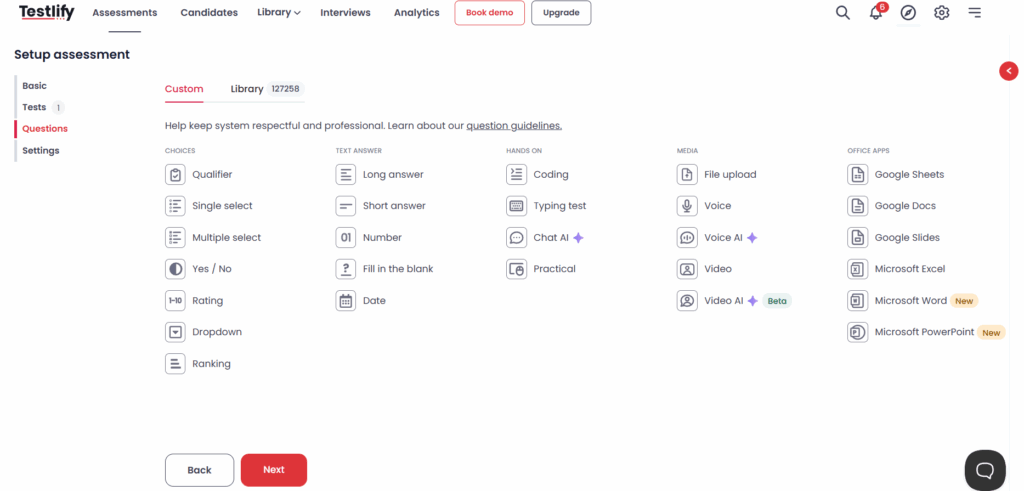
Benefits of adaptive developer evaluation assessments
- More accurate skill measurement: Candidates are neither bored with too-easy questions nor overwhelmed with ones too hard.
- Faster assessments: Adaptive tests can determine proficiency in fewer questions.
- Better candidate experience: Developers appreciate tests that challenge them at the right level.
How are test platforms making this easy?
Platforms like Testlify use adaptive testing to make assessments more dynamic. Based on how a candidate performs, the system tailors upcoming questions in real-time.
This reduces test fatigue and increases completion rates, two metrics every HR team should care about.
HR tip: Use adaptive testing when hiring for roles with wide skill ranges (e.g., Full Stack Developer, Data Engineer).
3. Incorporating soft skills and collaboration into coding tests
Developers today don’t just write code; they collaborate, communicate, and solve problems in teams. That’s why companies are integrating soft skills and teamwork assessments into their developer evaluation assessments.
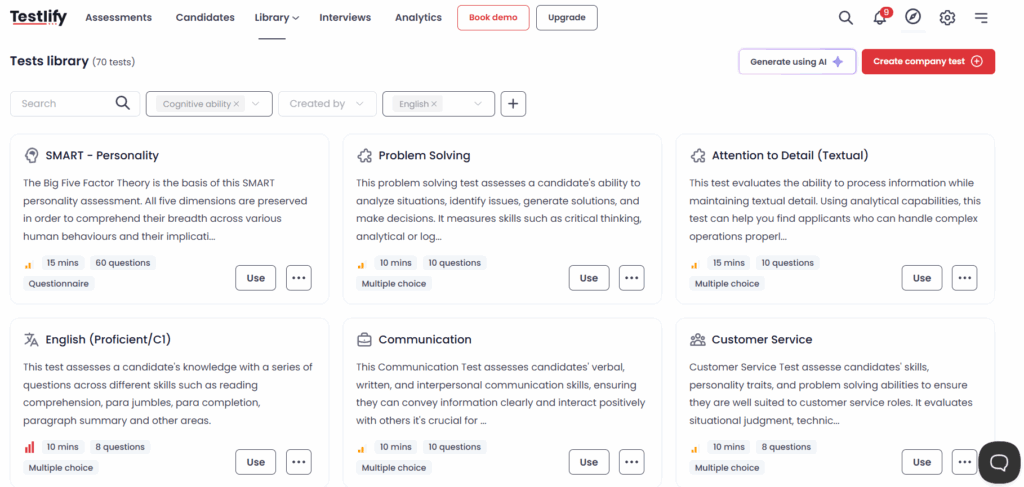
These kinds of tests provide insight into:
- How candidates handle feedback
- Their communication style
- Their ability to work asynchronously is especially important in remote roles
Why does this matter for HR?
Culture fit and collaboration are just as critical as technical skills. Including soft skills in assessments can help reduce turnover and improve team cohesion.
Testlify, for instance, offers built-in features to test for cognitive ability, communication, and teamwork, alongside coding proficiency.
HR tip: Use collaboration-based test scenarios when hiring for cross-functional teams or leadership roles.
4. AI-assisted test creation and candidate evaluation
Artificial Intelligence isn’t just a buzzword anymore. In hiring, it’s helping HR teams work smarter, not harder. AI-assisted developer evaluation assessments are now making it easier to:
- Generate questions automatically
- Evaluate code submissions
- Detect plagiarism
- Identify cheating behavior
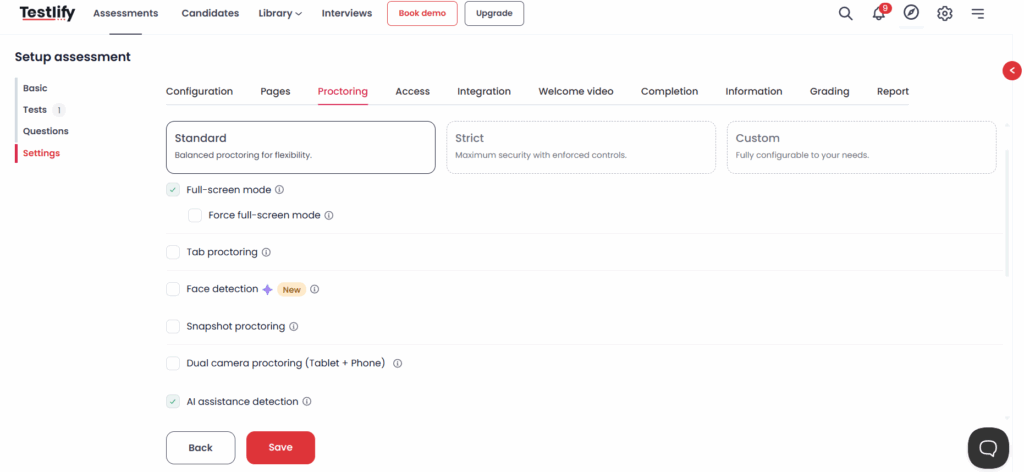
How does AI improve the testing process?
AI can auto-generate coding problems tailored to different job roles and difficulty levels. This means:
- Less time spent by HR or tech teams creating tests
- More consistency and quality in assessments
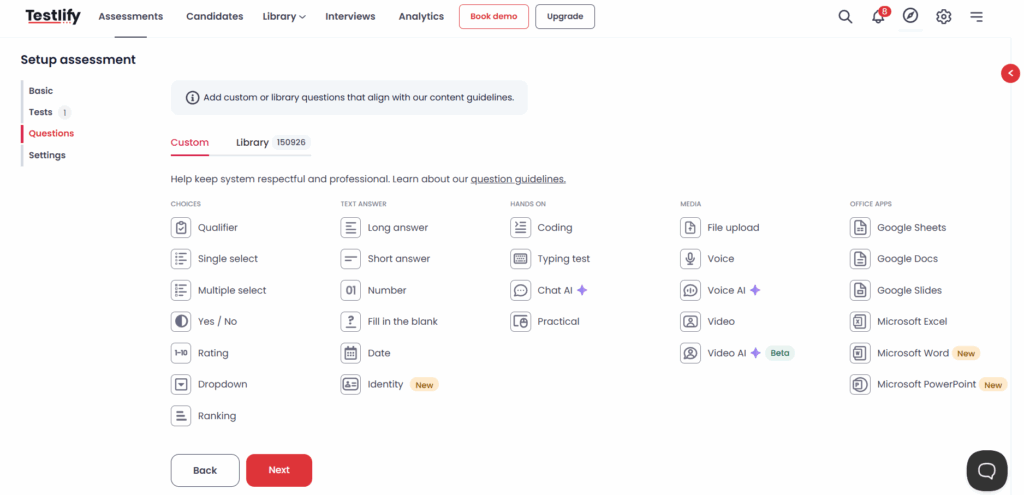
For candidate evaluation
AI tools analyze not just the final code, but also how the candidate got there:
- Time taken per question
- Number of edits
- Logical flow of thought
- Test behavior analytics (e.g., switching tabs frequently)
AI and fairness
AI also helps in reducing unconscious bias. When paired with structured rubrics and anonymized code reviews, it ensures hiring decisions are based on skill, not background or resume keywords.
HR tip: Use AI tools that offer explainability, and make sure you can trace how AI made its recommendations.
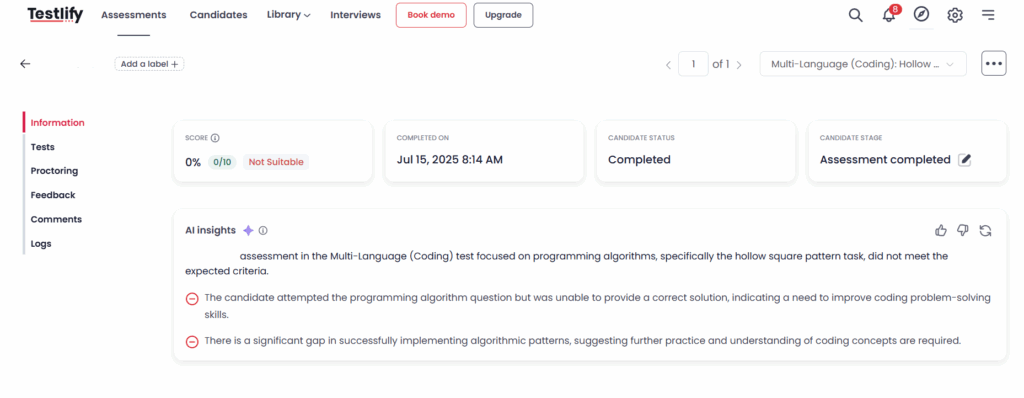
5. Shorter, mobile-friendly, and candidate-centric assessments
Let’s be honest, developers hate long, boring, outdated tests. And with top candidates getting multiple offers, the companies that respect their time win.
The new wave of programming assessments is:
- Shorter: 30–45 minutes max
- Modular: Split into bite-sized tasks
- Mobile-optimized: Some questions can even be answered on phones or tablets
Why does it work?
Candidate-first testing boosts:
- Completion rates: Fewer candidates drop off halfway.
- Candidate satisfaction: They’re more likely to accept offers.
- Employer branding: You’re seen as modern and considerate.
Making it happen
HR teams are rethinking the test experience end-to-end. From warm, welcoming test invites to follow-up feedback, every step is curated with the candidate in mind.
Platforms like Testlify make this easy by offering:
- Templates for fast test creation
- Short quizzes, mini-projects, and gamified challenges
- Responsive UI for mobile and tablet users
HR tip: Offer a preview of the test format in your job description; it reduces test anxiety and boosts trust.
6. Integration with ATS and developer tools
Another rising trend is seamless integration between testing platforms and other tools you already use:
- Applicant Tracking Systems (ATS) like Greenhouse, Lever, or Workable
- Communication tools like Slack and Teams
- Developer tools like GitHub or Jira
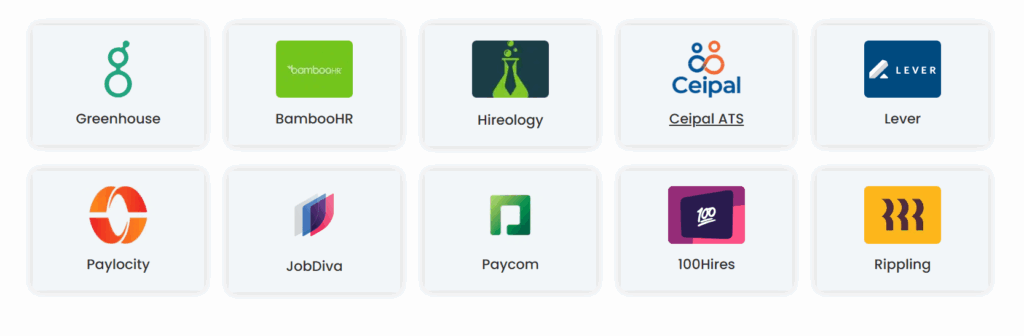
This saves your hiring team time by automating:
- Test invites and reminders
- Score syncing
- Candidate status updates
HR tip: Choose platforms that integrate well with your HR stack to reduce manual work and speed up decision-making.
Final thoughts
Tech hiring doesn’t have to be a painful process for HR or for candidates. The latest trends in developer evaluation assessments are all about making things smarter, faster, and fairer.
By embracing:
- Real-world assessments
- Adaptive testing
- Collaboration and soft skills
- AI-powered insights
- Candidate-first design
You’re not just hiring developers, you’re creating a recruitment experience that attracts the best tech talent.
And platforms like Testlify are making it easier for HR teams to stay ahead of these trends without needing to code or guess what to test for.
For further reading, explore Tips For Conducting Remote Programming Tests In Recruitment.
Frequently asked questions (FAQs)
Related resources
View all
Candidate assessment
Types of Aptitude Tests: How to Choose the Right One

Candidate assessment
Coding assessments: Types and how to choose the right one

Candidate assessment
5 best practices for designing coding assessments

Candidate assessment
The role of technical assessments in identifying top talent

Candidate assessment
5 common technical assessment mistakes to avoid

Candidate assessment
Building a candidate-centric technical assessment process
Get started.
Hire on proof, not resumes.
Run your first skills-based assessment free — no credit card required.