
Case studies of how recruiters have used coding aptitude tests to hire top talent
Discover how top recruiters use coding aptitude tests to hire top tech talent. Real case studies, best practices, and smart tools that streamline hiring.

Recruiters are turning to one strategy that’s helping them cut through the noise: coding aptitude tests. These assessments go beyond resumes and LinkedIn profiles to measure what truly matters real-world skills and problem-solving ability.
According to a survey, companies that incorporated coding aptitude tests into their hiring process saw a 48% increase in technical hire accuracy. These tests aren’t just helpful, they’re becoming essential.
In this blog, we’ll explore real-world case studies that show how organizations from global tech giants to fast-moving startups have used programming assessments to identify, attract, and secure top tech talent.
 ChatGPT
 Gemini
 Claude
 Grok
Grok Perplexity
Why have coding aptitude tests become a recruiter’s secret weapon?
Gone are the days when technical hiring relied solely on resumes, referrals, or tricky whiteboard interviews. Today’s coding aptitude tests are:
- Customizable for different tech stacks
- Automated and scalable for high-volume hiring
- Bias-reducing, helping teams focus on skill over pedigree
- Integrated into modern ATS and hiring platforms
With AI-assisted development on the rise, the ability to assess how candidates think, debug, and build in real scenarios is more important than ever.

Case study 1: Global tech giant cuts through resume noise
Company type: Fortune 500 Tech Company Challenge: High volume of applications, low signal on candidate ability Solution: Role-specific coding aptitude tests focused on problem-solving, debugging, and real coding environments
The recruitment team implemented structured programming challenges that mirrored the day-to-day tasks of backend developers. Instead of relying on credentials or job titles, they focused purely on skill.
Impact:
- 40% faster time-to-hire
- 32% improvement in code quality post-hire
- Engineers reached productivity milestones 2 weeks earlier on average
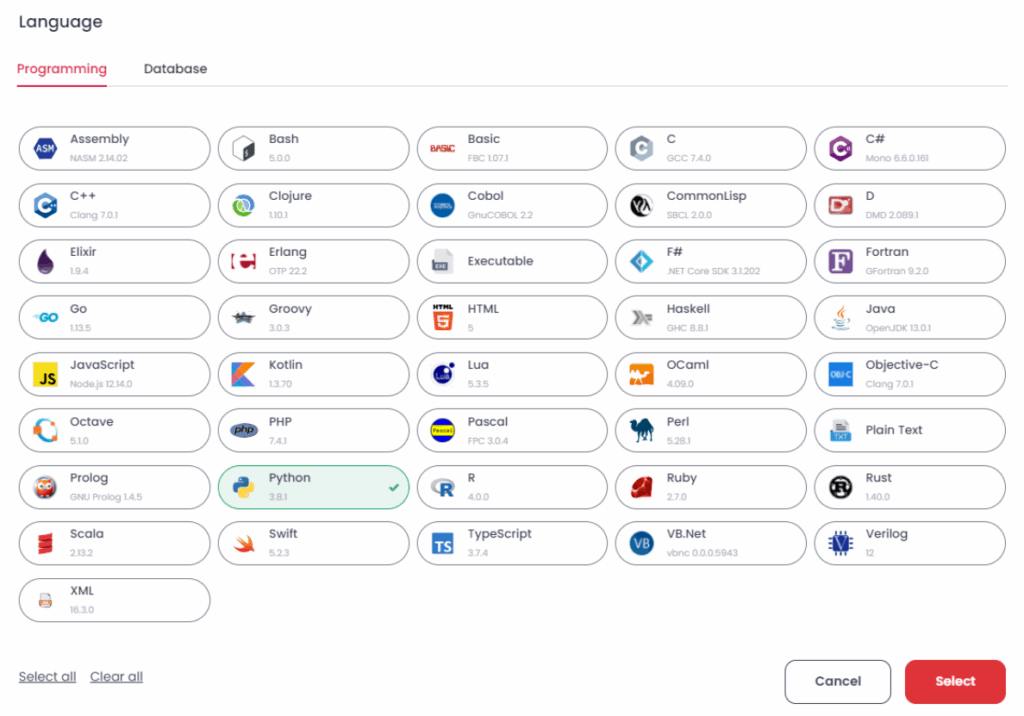
Skills-based hiring helped them go from screening noise to hiring clarity fast. Talent assessment and interview platforms like Testlify helps assess candidates skills across multiple programming langauges.
Case study 2: Startup scales its engineering team with custom challenges
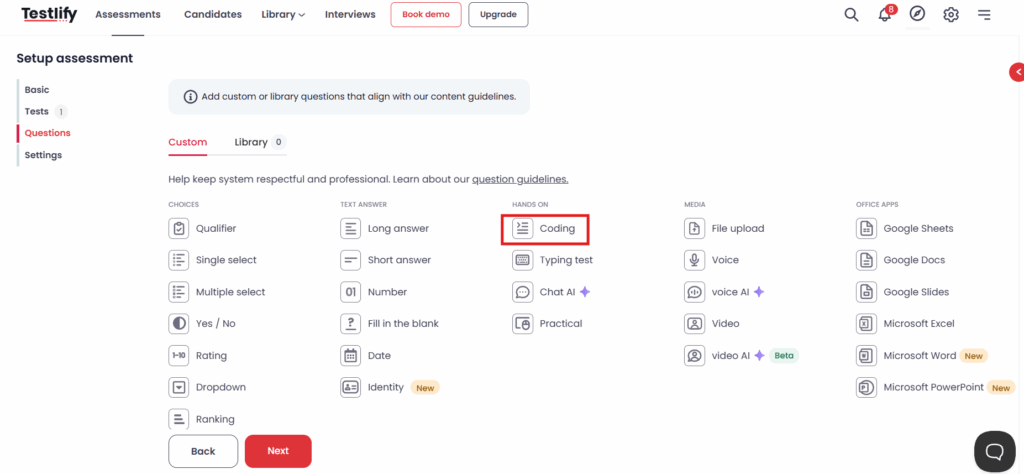
Company type: E-commerce Startup (Series A) Challenge: Rapid team growth, lean hiring resources Solution: Custom-built programming tasks based on actual product features (e.g., cart logic, API integrations)
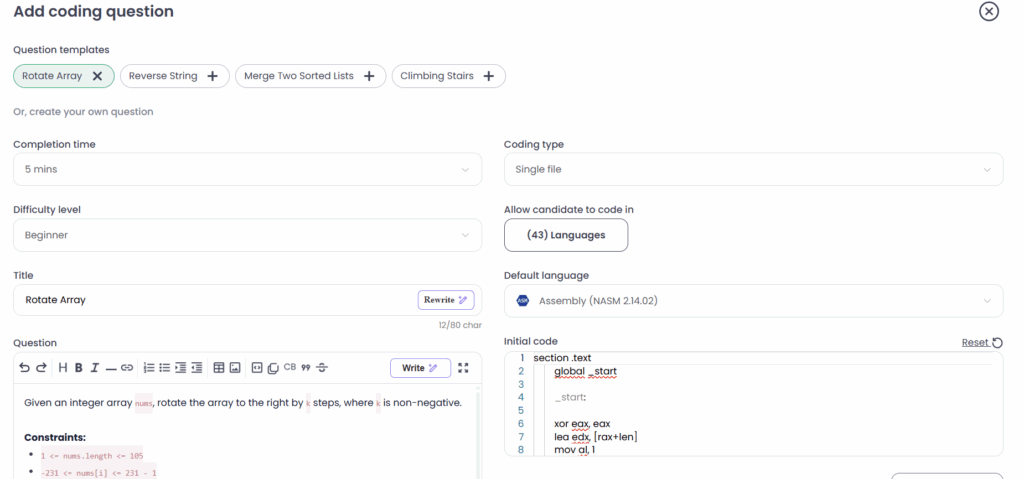
The startup created a short, 45-minute take-home challenge simulating a real bug fix and feature extension. They used a third-party platform (like Testlify) to automate scoring and reduce recruiter workload.
Impact:
- 3x faster screening process
- 60% candidate engagement rate (up from 35%)
- Engineering turnover dropped below 5% in the first year
Customized assessments helped filter out weak fits early and gave strong candidates a taste of real work. Testlify offers you pre-built tests with an option to customize and even create your own tests from scratch to gauge specific candidates’ skills.
Case study 3: Financial institution prioritizes accuracy and security
Company type: Multinational Bank Challenge: Need for high precision and secure code in tech roles Solution: Timed coding assessments focused on data handling, security protocols, and algorithmic thinking
In a sector where one bad line of code could mean millions in losses, the company revamped its hiring funnel. Programming assessments tested secure coding practices, familiarity with encryption, and regulatory edge cases.
Impact:
- 28% decrease in technical onboarding time
- 40% fewer production bugs in the first 3 months
- Stronger compliance alignment across new hires
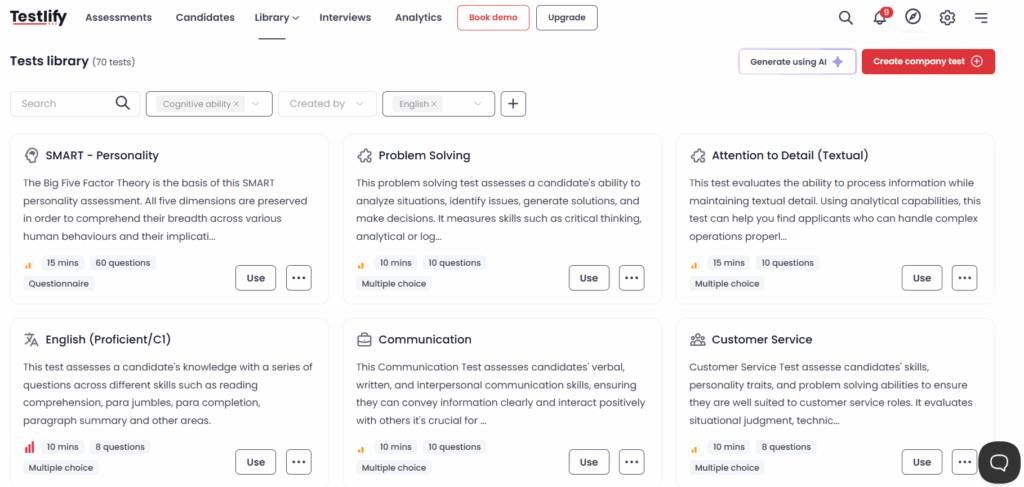
Coding aptitude tests not only assess talent, but they also mitigate business risk. You can also combine multiple tests to assess problem-solving and other cognitive skills to assess candidates across various factors.
Case study 4: Diversity-driven hiring through skill-based assessments
Company type: SaaS Company (Mid-Market) Challenge: Improve diversity in technical hiring Solution: Blind, skill-first hiring process using anonymous coding aptitude tests
This company replaced resume-first screening with anonymous programming assessments. Recruiters didn’t see names, education, or past job titles, just problem-solving ability.
Impact:
- 4x increase in hires from non-traditional tech backgrounds
- Gender diversity in engineering grew from 15% to 40%
- Teams reported improved collaboration and innovation post-hire
Lesson: Focusing on skills instead of background is a powerful diversity lever.
Case study 5: Global consulting firm uses tests to streamline campus hiring
Company type: Global IT Services & Consulting Firm Challenge: High-volume campus recruitment with inconsistent candidate quality Solution: Mass-scale programming assessments with automated grading
Facing over 10,000 applications across campuses, the firm deployed online assessments to test logic, programming basics, and frameworks like Java and React. Results were auto-graded, allowing recruiters to shortlist top candidates quickly.
Impact:
- 70% reduction in manual screening effort
- Hiring managers interviewed only the top 10%, increasing conversion rates
- Quality-of-hire index rose by 22%
Lesson: When scaled properly, coding aptitude tests bring structure and fairness to mass hiring events.
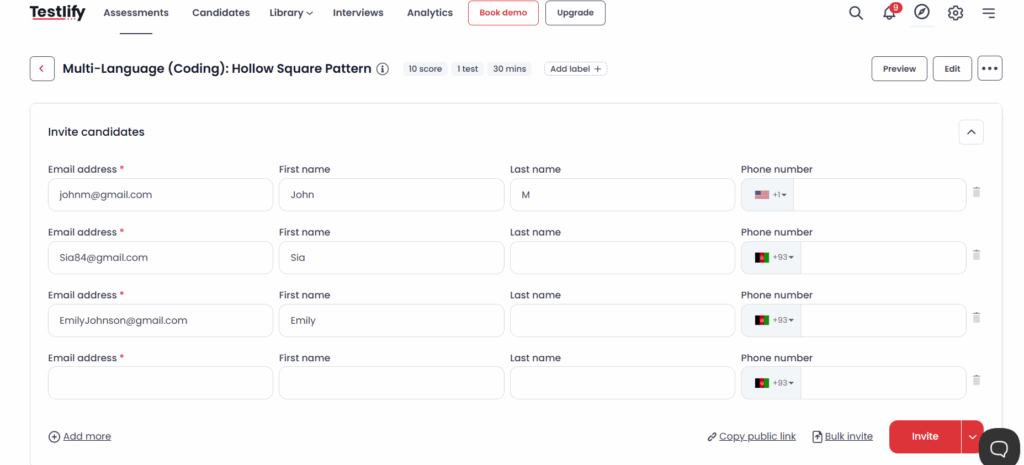
With Testlify, you can invite multiple candidates to attempt the test in one go by either adding candidates’ details or by a public invite link to scale your mass hiring efforts.
Tools that power programming test success
Testlify make it easy for recruiters to:
- Design real-world coding tests across stacks like Python, JavaScript, Go, Java, and SQL
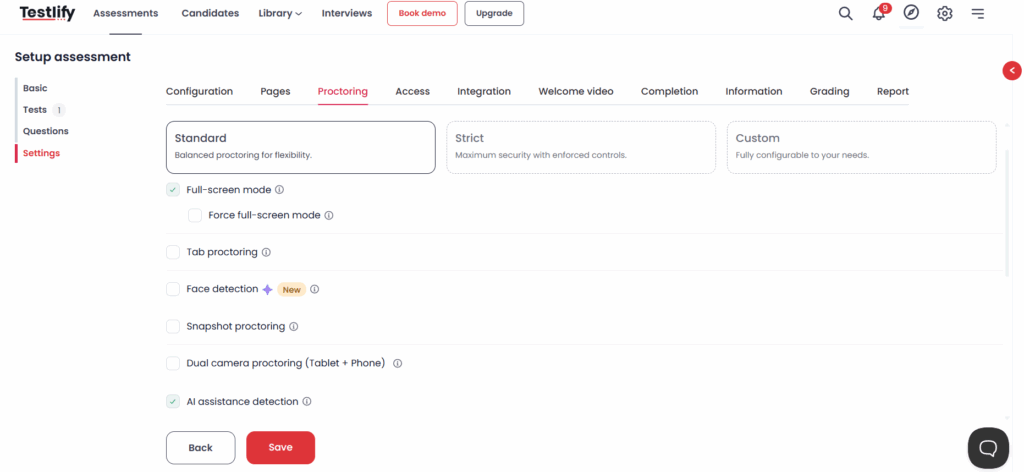
- Prevent cheating with AI proctoring and secure environments
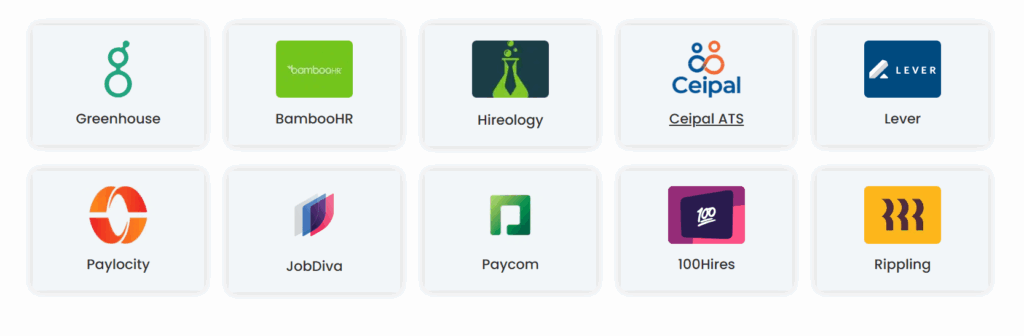
- Integrate tests into ATS workflows
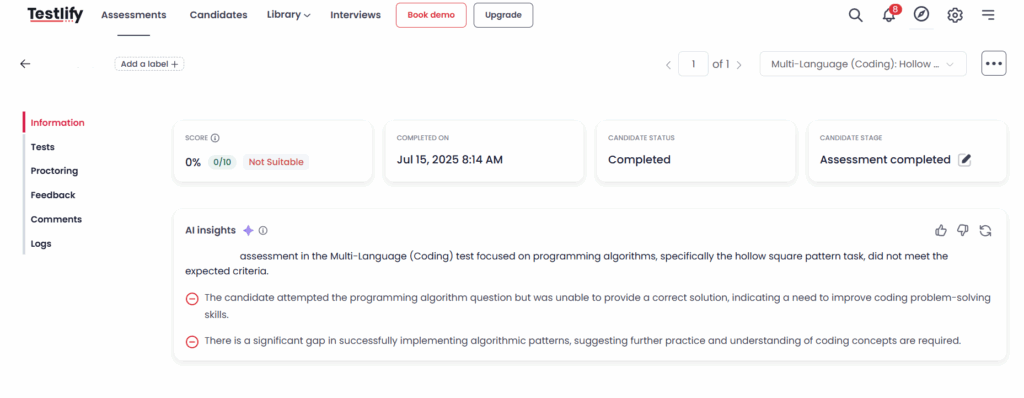
- Generate detailed reports for hiring managers
Final thoughts
Coding aptitude tests have emerged as a strategic asset for recruiters in every industry. Whether you’re trying to hire your first backend dev or build a global tech team, these assessments help you:
- Hire smarter, not harder
- Reduce bias and increase inclusion
- Save time for both recruiters and hiring managers
- Create a fairer and more predictive hiring process
In a world where technical roles are increasingly complex and competitive, skill-first hiring is the path forward.
For further reading, explore Tips For Conducting Remote Programming Tests In Recruitment.
Frequently asked questions (FAQs)

Content Writer
Yashika Khandelwal is a Content Writer with 3+ years of experience creating research-backed content on hiring, talent assessment, and HR technology. She is a registered Organizational Psychologist and subject matter expert who combines behavioral science with practical recruitment insights to produce accurate, evidence-based content.
LinkedInRelated resources
View all
HR & recruitment
Top 7 recruitment trends in HRBP hiring

HR & recruitment
Top 6 job search sites

HR & recruitment
Guide to streamlining your workflow with time tracking tools

HR & recruitment
AI in employee monitoring: how it works and what’s legal

HR & recruitment
5 common mistakes to avoid when using skill assessments

HR & recruitment
Top 7 recruitment trends in brand manager hiring
Get started.
Hire on proof, not resumes.
Run your first skills-based assessment free — no credit card required.