
What are personality hires and signs you might be making one
Learn the pros and cons of personality hires, when they work, when they don’t, and how to balance personality with skills for better hiring decisions.
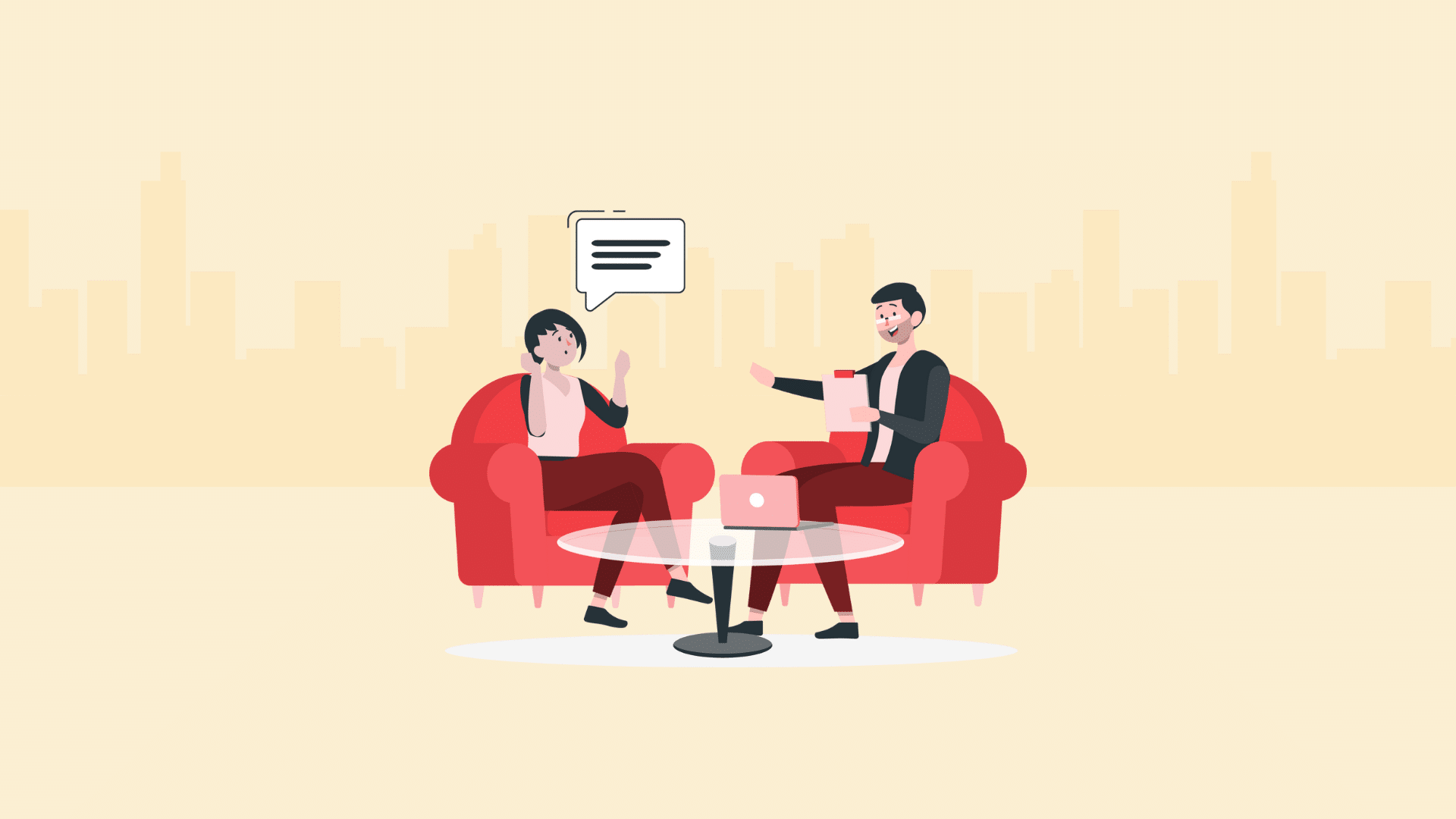
A personality hire is someone you bring on mainly for their personality, energy, and social skills rather than for hard, job-specific ability. The term went mainstream in 2023 as workplace slang, and it points at a real hiring habit: choosing the candidate you clicked with over the one who can actually do the work. Used well, a personality hire strengthens a team. Used by accident, it quietly lowers your bar.
TL;DR
- A personality hire is picked for likeability, culture add, and soft skills over measurable job skills.
- The idea is not wrong. Social skills are in demand, and morale has real business value. The risk is choosing personality instead of evidence, not alongside it.
- Most bad personality hires happen by accident, when “good vibes” in an interview stands in for a skills check.
- Six warning signs tell you a personality hire is happening: you are sold on chemistry, the resume is thin on the actual role, or you keep saying “we can train the rest.”
- The fix is not to stop valuing personality. It is to score personality as one signal among several, using the Testlify Multi-Signal Talent Evaluation Model.
 ChatGPT
 Gemini
 Claude
 Grok
Grok Perplexity
What is a personality hire?
A personality hire is a candidate hired primarily for who they are, warm, likeable, socially skilled, over what they can prove they can do. The personality hire meaning is simple: personality carried the decision. These are the people who lift a room, calm a tense client call, and make new starters feel welcome in week one. Their soft skills are usually stronger than their hard skills, and that trade is sometimes worth making on purpose.
The phrase itself is recent. It spread through short-form video in 2023 as a half-joking way for people to describe their own role on a team, and it is now common hiring vocabulary (Wikipedia traces the term to that period). The concept is much older than the slang. Teams have always valued people who make work feel less like work. What is new is naming it out loud, and being honest that it changes how we decide.

What are common personality hire examples?
Personality hire examples show up in almost every function. A few patterns come up again and again across the teams we work with:
- The sales connector. Not the top closer on paper, but the one clients ask for by name and who keeps a renewal from slipping.
- The team glue. An operations or support hire whose real output is that everyone around them ships faster and argues less.
- The culture carrier. An early employee who sets the tone for how the company talks to customers and to each other.
- The high-charisma junior. Light on experience, heavy on presence, hired on the bet that attitude will outrun the skills gap.
The first three are often great hires. The fourth is where the risk lives, because charisma in a 45-minute interview is easy to feel and hard to measure.
Personality hire vs skill-based hire
The honest difference is what evidence drives the decision. A personality hire leans on impression and rapport. A skill-based hire leans on demonstrated ability against the role. Neither ignores the other, but the primary signal is different, and that changes who gets the offer.
Dimension | Personality hire | Skill-based hire |
|---|---|---|
Primary signal | Likeability, rapport, culture add | Demonstrated, role-relevant ability |
Main evidence | The interview and gut feel | Assessments, work samples, structured interviews |
Biggest strength | Morale, collaboration, client trust | Predictable on-the-job performance |
Biggest risk | A skills gap hidden by charisma | Missing a strong culture add |
Best fit for | Client-facing, team-glue, brand-facing roles | Technical, specialist, high-stakes roles |
Failure mode | “We can train the rest” | A capable hire nobody wants to work with |
The goal is not to pick a side. It is to know which signal is carrying the offer, and to make sure the other one is not missing. A skills-first process still leaves room for judgment on personality and behavior, it just refuses to let rapport stand in for proof.
Is hiring for personality actually smart?
Yes, but only when personality is treated as one part of the hiring equation. For roles that depend heavily on communication, collaboration, resilience, or leadership, personality can provide valuable insight into how someone may work with others. The problem starts when “they seem like a great fit” becomes a substitute for evidence that they can actually perform the job.
There is a strong case for assessing human skills. The World Economic Forum’s Future of Jobs Report identifies analytical thinking as the most sought-after core skill, with resilience, flexibility, and leadership and social influence also ranking among the skills employers value highly.
But personality alone is a weak hiring signal. A candidate can be charismatic, confident, and highly likable while still lacking the skills needed to succeed in the role. And the cost of getting that decision wrong can compound over time: the Bureau of Labor Statistics reported median employee tenure of 3.9 years in January 2024, meaning a poor hiring decision can affect a team for years rather than weeks.
The smarter approach is to assess personality alongside capability. Use personality assessments to understand traits such as resilience, collaboration, adaptability, or conscientiousness, then validate those signals through skills assessments, structured interviews, and job-relevant scenarios.
In other words, hire for capability, assess for personality, and never confuse likability with fit.
6 signs you are making a personality hire
A personality hire rarely happens because a hiring team consciously decides to ignore skills. More often, the process gradually shifts from evidence to instinct, with confidence, chemistry, and likeability starting to outweigh what the candidate can actually do.
Here are six warning signs that your hiring process may be heading toward a personality hire.
1. Chemistry is doing the heavy lifting
The debrief focuses on how much everyone liked the candidate rather than what they demonstrated.
Comments like “I really connected with them” or “They would be great to work with” are not evidence of job performance. If the conversation is full of opinions but short on examples, scores, or work samples, you may be making a personality hire.
2. “We can train them” is the default answer
Every candidate has development areas. The problem is using “we can train them” to explain away a critical skills gap.
If the candidate lacks a skill that is essential from day one, optimism is not a hiring strategy. A personality hire often happens when perceived potential is used to compensate for missing evidence of capability.
3. Charisma is filling gaps on the resume
The candidate's experience does not closely match the role, but their confidence and communication skills make the gap feel less important.
Adjacent experience can absolutely translate into success. But if you cannot clearly explain how their existing skills transfer to the role, charisma may be doing more work than qualifications.
4. Soft skills are the entire case for hiring
The feedback sounds positive, but it is almost entirely about attitude, energy, communication, or enthusiasm.
These qualities matter, but they cannot replace role-specific competence. A strong hiring decision should answer two questions: Can this person do the job? And how will they work with others?
5. You are hiring someone who reminds you of yourself
“They remind me of me” can feel like a strong endorsement. In reality, it can be a sign that personal similarity is being mistaken for culture fit.
A better question is whether the candidate adds skills, perspectives, and working styles that strengthen the team. Otherwise, your personality hire may simply reinforce the preferences of the people already in the room.
6. Your gut made the decision in the first 10 minutes
You form a strong opinion early, then spend the rest of the interview looking for evidence to support it.
That is confirmation bias at work. Once the hiring decision becomes emotional, weaknesses can start looking like minor development areas while positive moments become proof that the candidate is “the right fit.”
One or two of these signs does not automatically mean you are making a personality hire. But if four or more show up and you still cannot point to clear evidence of job-relevant skills, it is time to step back and reassess the decision.
When should you avoid a personality hire?
A personality hire becomes risky when likeability starts outweighing evidence of capability. The more costly a skills gap is to the business, the less room there is for a personality-led hiring decision.
1. Technical and specialist roles
For roles in engineering, finance, compliance, cybersecurity, or other specialist fields, competence is non-negotiable.
A candidate can be highly personable and still struggle if they lack the technical skills the role demands. In these situations, a personality hire can quickly become a performance risk.
2. Roles with high autonomy
Be especially cautious with a personality hire when the role requires someone to work independently with limited supervision.
When there is no team constantly checking the work or filling capability gaps, actual output matters more than interpersonal chemistry. Assess whether the candidate can deliver independently before weighing personality fit.
3. Roles where mistakes are expensive
The greater the consequences of a poor decision, the stronger your evidence should be.
In roles involving financial decisions, safety, compliance, security, or critical operations, confidence and charisma cannot compensate for missing skills. A personality hire in these positions can create risks that are far more expensive than the original hiring decision.
4. When “culture fit” really means “someone like us”
If your strongest argument for hiring someone is that they fit in with the existing team, pause.
A team does not become stronger because everyone thinks and works the same way. If “great fit” simply means familiar, a personality hire can reinforce existing biases instead of adding new perspectives, skills, or approaches.
5. When the candidate cannot demonstrate the required outcomes
Personality should never be used to fill an evidence gap.
Before making a personality-led hiring decision, identify one or two outcomes the candidate should realistically achieve in their first 90 days. Then ask yourself: What evidence do we have that this person can deliver them?
If you cannot point to a skills assessment, work sample, relevant experience, structured interview response, or another objective signal, you may have a strong impression of the candidate, but you do not yet have a strong hiring case.
Pro tip: Before championing a candidate because they seem like a great fit, write down the specific outcome you expect them to deliver in their first 90 days and the evidence supporting that expectation. If you cannot fill in the evidence, pause the personality hire and test the skill instead.
How do you recruit for personality the right way?
Recruiting for personality does not mean choosing the candidate you connect with most. It means identifying the personality traits and behaviors that actually matter for the role, then evaluating them alongside skills, experience, and evidence of performance.
The key is to replace gut feeling with a structured evaluation process. Personality can tell you how someone may approach work, communicate, or respond to challenges, while skills assessments and structured interviews show whether they can actually perform the job. Used together, these signals give hiring teams a more complete picture of the candidate and reduce the risk of making a personality hire based primarily on chemistry.
1. Define what personality needs to deliver
Start with the behavior the role actually requires. Instead of looking for someone with “great energy,” define something measurable, such as the ability to de-escalate difficult customers, collaborate across teams, or remain composed under pressure.
This makes personality relevant to the job rather than a subjective preference.
2. Measure the hard skills separately
Personality should complement skills, not compensate for a lack of them.
Give every candidate the same short, role-relevant assessment to evaluate the capabilities the job requires. This helps you distinguish charisma from competence and prevents a strong interpersonal impression from masking a skills gap.
3. Use a structured interview
Ask every candidate the same core questions and evaluate their responses against consistent criteria.
A structured interview process helps reduce the influence of rapport, personal preferences, and first impressions. Instead of asking, “Did I like this person?”, interviewers can ask, “Did this candidate demonstrate the behavior we are looking for?”
4. Assess personality intentionally
If personality is relevant to the role, measure it deliberately rather than relying on an interviewer's instinct.
A validated Big Five personality test can provide insight into traits such as conscientiousness, openness, extraversion, agreeableness, and emotional stability. This turns a subjective judgment about “personality fit” into a structured signal that can be considered alongside other evidence.
5. Make the decision based on multiple signals
Bring together the candidate's assessment results, structured interview scores, work sample, personality insights, and reviewer feedback.
When several independent signals point toward the same conclusion, you have a much stronger basis for making the hiring decision. Personality can still influence the outcome, but it should strengthen the case for a candidate rather than create the case by itself.
The goal is not to stop hiring people you like. It is to make sure you know why you like them. When personality, skills, and job relevant evidence point in the same direction, you can hire with greater confidence and reduce the risk of discovering a critical capability gap months after the offer.
For a deeper look at where personality assessments can help and where they can create problems, explore our guide to the pros and cons of personality tests.
Score personality as evidence, not a hunch
Testlify lets you measure skills and behavior side by side, so your next likeable candidate is also a proven one. Start free, or book a demo to see multi-signal hiring in action.
Key takeaways
- A personality hire is a choice, not a mistake by default. Hiring for warmth and social skill is legitimate when the role runs on human skills. The failure is choosing personality instead of evidence, which quietly lowers your bar without anyone deciding to.
- Personality is genuinely valuable, and the data backs it. With social and emotional skills demand rising 26% through 2030 and engagement stuck at 20%, a hire who raises a team’s energy is solving a costly problem, not just being pleasant.
- Charisma is easy to feel and hard to measure, so it fools smart people. A strong first impression in one interview is not proof of on-the-job output. Watch for the six signs, especially “we can train the rest,” which is optimism doing a skills check’s job.
- Match the signal to the stakes. Personality can lead in client-facing and team-glue roles. In technical, solo, and high-consequence roles, insist on demonstrated ability first, because a likeable hire who cannot do the work is still a miss.
- Add evidence, do not remove judgment. The fix is multi-signal hiring: score skills and behavior alongside the human read so a candidate advances only when several signals agree. You keep the instinct and stop betting the offer on it alone.
Frequently Asked Questions (FAQ)

People and Talent Partner
Arushi Shah runs day-to-day talent acquisition and candidate experience at Testlify. She writes on interviewing, structured hiring, and giving candidates a fair, fast process.
LinkedInRelated resources
View all
HR & recruitment
Accurate Staffing: How to Improve Hiring Accuracy and Avoid Costly Bad Hires

HR & recruitment
Job Specialization: Benefits, Risks, and Examples (2026)

HR & recruitment
What is a LMS and why do businesses need one?

HR & recruitment
Moonlighting: How can HR detect & prevent it? (Top methods)
HR & recruitment
Employee onboarding checklist: Steps, templates and best practices (2026)

HR & recruitment
On-demand recruitment: what it is, how it works, and when to use it (2026)
Get started.
Hire on proof, not resumes.
Run your first skills-based assessment free — no credit card required.