
Top job profiling tools in 2026
In 2026, HR professionals are more empowered than ever. With advancements in artificial intelligence (AI), data analytics, and cloud computing, the tools that help you understand, define, and optimize roles have evolved from simple trackers to intelligent job profiling ecosystems. Whether you’re setting up a new role, aligning competencies with business goals, or ensuring the…
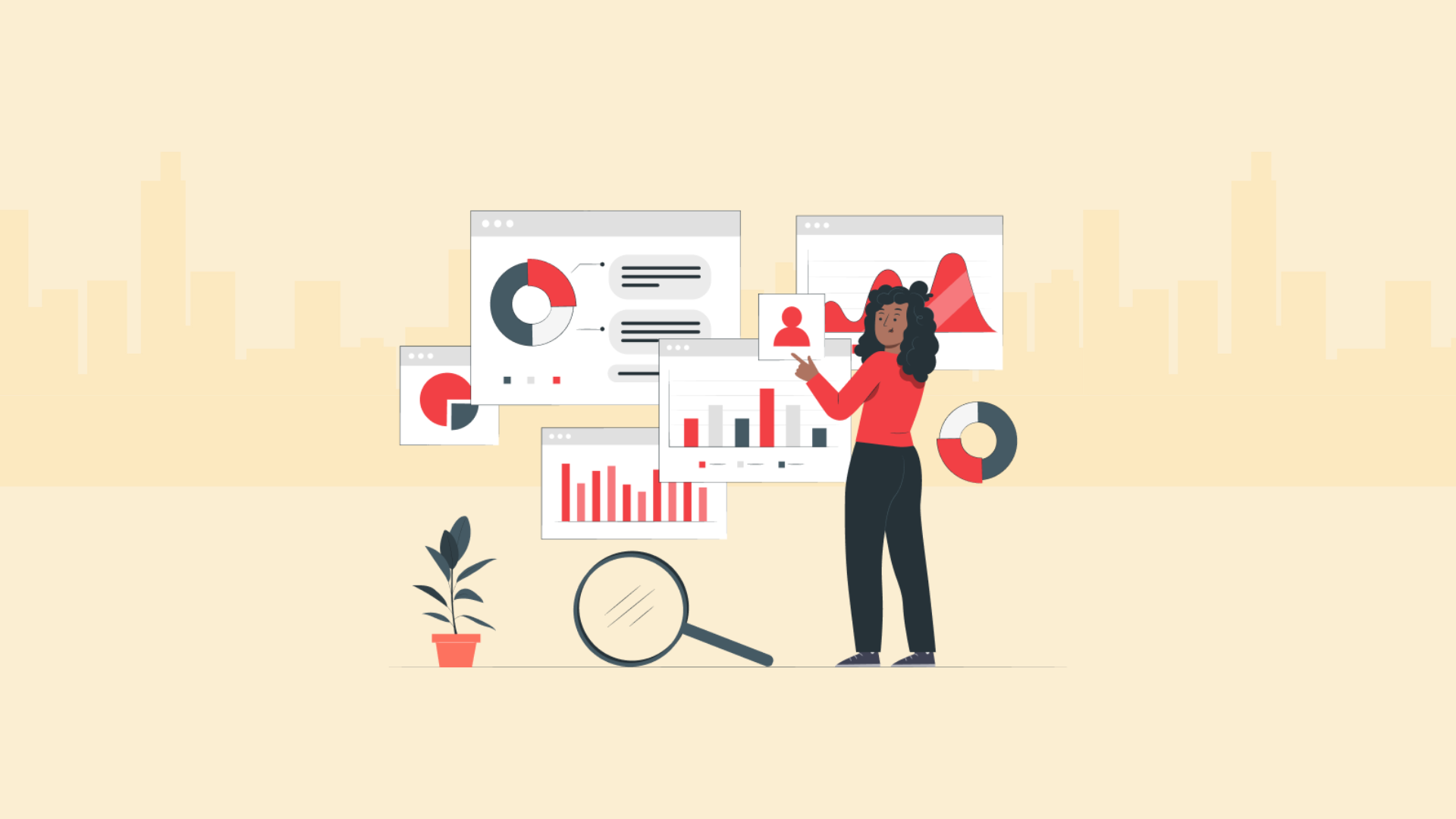
In 2026, HR professionals are more empowered than ever. With advancements in artificial intelligence (AI), data analytics, and cloud computing, the tools that help you understand, define, and optimize roles have evolved from simple trackers to intelligent job profiling ecosystems. Whether you’re setting up a new role, aligning competencies with business goals, or ensuring the right fit between candidates and organizational needs, the right software can make all the difference.
This comprehensive guide walks you through the best job profiling tools and software in 2026, what they do, why they matter, and how they help you streamline your HR functions from recruitment through talent development.
Let’s dive in!
 ChatGPT
 Gemini
 Claude
 Grok
Grok Perplexity
What is job profiling, and why is it important in 2026?
In its simplest form, job profiling is the process of defining what a role really requires, from skills and competencies to responsibilities and performance outcomes. For HR teams, a good job profile helps with:
- Better hiring decisions
- Clear performance expectations
- Succession and career planning
- Training and development alignment
- Workforce analytics and talent strategy
Think of job profiling as the foundation on which every HR process sits. Without clarity about a role, recruitment becomes guesswork and workforce planning becomes reactive rather than proactive.

How has job profiling evolved?
Gone are the days when job profiles were static Word documents. Today:
- AI and machine learning analyze vast amounts of data from internal and external sources to define role requirements more accurately.
- Integrated platforms link job profiles directly to analytics, recruitment, performance management, and learning systems.
- Skills taxonomies and competency data continuously update profiles to reflect changing industry and technology trends.
This evolution makes job profiling an ongoing business advantage rather than a once‑a‑year task.
What to look for in job profiling tools
Before jumping into specific tools, here’s what modern HR teams should consider:
AI‑powered skills and competency mapping: Look for tools that can automatically extract required skills from industry data, job ads, or internal performance metrics.
Analytics and reporting: Visual dashboards help HR leaders see skill gaps, workforce readiness, and career pathway opportunities.
Integration with HR systems: Profiles should connect to your HRIS, ATS (Applicant Tracking System), LMS (Learning Management System), and performance tools for seamless data flow.
Customization: Each organization is unique, so flexibility in building and updating job profiles is key.
Predictive insights: Some advanced systems forecast future role requirements based on trends and internal growth patterns.
Top job profiling and related HR tools in 2026
Below is a curated list of leading tools and platforms that help with job profiling, role analysis, talent matching, and strategic HR planning. We group them into categories based on their core strengths so you can decide easily decide what fits your HR team’s needs.
1. Workable
Workable is an all‑in‑one recruiting platform with advanced AI features that help you source candidates, build job postings, and screen applicants based on role requirements. It has expanded to cover onboarding and some HR tasks as well, making it a flexible choice for small to midsize teams.
Best for: Mid‑market companies that want simple recruitment workflows with smart role matching Why HR loves it: Easy job posting, AI candidate matching, and intuitive dashboards
2. JazzHR
JazzHR offers a user‑friendly recruiting interface with intuitive job posting, candidate tracking, and resume parsing tools. While more focused on recruitment than deep job profiling, its emphasis on customizable application workflows helps HR teams define role requirements clearly and attract better matches.
Best for: Small to mid‑sized companies
3. Recruitee
Recruitee combines a modern ATS with collaborative tools that help teams build job postings and set clear criteria. Its drag‑and‑drop pipelines and reporting help HR teams align role expectations with outcomes early on.
Best for: Teams that want an easy, visual recruitment system
6. ADP Workforce Now / ADP DataCloud
ADP’s HR analytics tools give HR teams access to massive datasets and powerful reporting for workforce trends, performance metrics, and role comparisons. This can help you validate job profiles against real data and industry benchmarks.
Best for: Data‑driven HR teams
7. Oracle Cloud HCM
Oracle HCM is a comprehensive HR platform with robust analytics, predictive modeling, and workforce planning tools. While not solely a job profiling tool, its ability to connect talent data across recruitment, performance, and succession planning makes it invaluable for profiling roles at scale.
Best for: Large enterprises with complex HR needs
8. Personio
Personio is a cloud‑based HR system that simplifies hiring, onboarding, payroll, and employee data admin. Its integrated design encourages consistent job profile usage across hiring and performance workflows.
Best for: Small and medium enterprises (SMEs)
9. SAP SuccessFactors
Part of the enterprise HR suite world, SuccessFactors offers talent management, workforce analytics, and performance tools. Job profiles can be linked with learning paths, succession plans, and performance goals.
Best for: Global organizations seeking structured role frameworks
10. Workday
Workday’s HR suite excels at connecting job profiles with career development, internal mobility, and workforce planning. It supports advanced role modeling and predictive talent insights.
Best for: Large organizations with emphasis on career pathways
11. Peoplebox.ai
Peoplebox.ai blends performance, engagement, and talent analytics — useful for profiling roles by outcomes and competencies rather than just skills.
Best for: Organizations focused on performance alignment
How do these tools fit into your HR workflow?
To get the maximum value from job profiling tools, think about where profiling sits in your HR processes:
1. Before recruitment
Use tools to define skills, competencies, and expectations. This ensures job postings attract the right talent from day one.
2. During sourcing and screening
Skills assessment platforms (Harver, MeritTrac) and AI matching (Workable, JazzHR) help align candidate abilities with role profiles.
3. During onboarding and performance management
Full HR suites (Personio, Workday) connect job profiles to career paths, performance goals, and development plans.
4. For strategic planning
Analytics platforms and talent intelligence tools help HR leaders identify skill gaps and forecast future role needs.
Real benefits of using job profiling software
Here’s what HR teams can achieve with the right tools in 2026:
- Faster hiring with higher quality matches
- Data‑backed decisions for role design
- Consistent and bias‑reduced job descriptions
- Better alignment between jobs and business objectives
- Enhanced career development and internal mobility
- Predictive workforce planning
Expert Tips for Choosing the Right Tool
Start with your HR priorities
Are you focused mainly on recruitment, talent strategy, or performance alignment?
Check integrations
Make sure the tool connects smoothly with your HR tech stack.
Consider scalability
Tools that work for small teams may not scale to enterprise needs — and vice versa.
Leverage analytics
Platforms with strong reporting help move job profiling from administrative work to strategic insight.
Final thoughts
In 2026, job profiling isn’t optional, it’s strategic. The right software doesn’t just document roles; it shapes your talent outcomes. Whether you’re building thousands of job profiles for global teams or defining key roles in a startup, the tools above can help you work smarter, not harder.
Investing in the right job profiling technology today means clearer expectations, smoother hiring, and a more engaged workforce tomorrow.

Content Writer
Yashika Khandelwal is a Content Writer with 3+ years of experience creating research-backed content on hiring, talent assessment, and HR technology. She is a registered Organizational Psychologist and subject matter expert who combines behavioral science with practical recruitment insights to produce accurate, evidence-based content.
LinkedInRelated resources
View all
HR & recruitment
How to measure recruitment performance and ROI with limited access to data and analytics

HR & recruitment
How to handle negative Glassdoor reviews in 2026

HR & recruitment
How to Reduce Early Attrition and Keep New Hires

HR & recruitment
How to Gauge Candidate Motivation and Long-Term Commitment
HR & recruitment
How to hire top talent using data entry test

HR & recruitment
How to hire top talent using abstract reasoning test
Get started.
Hire on proof, not resumes.
Run your first skills-based assessment free — no credit card required.