
5 ways pre-hire assessments can help when not hiring
Pre-hire assessments enhance employer branding, provide development insights, build talent pools, streamline recruitment strategies, and create benchmarks for future hiring needs.
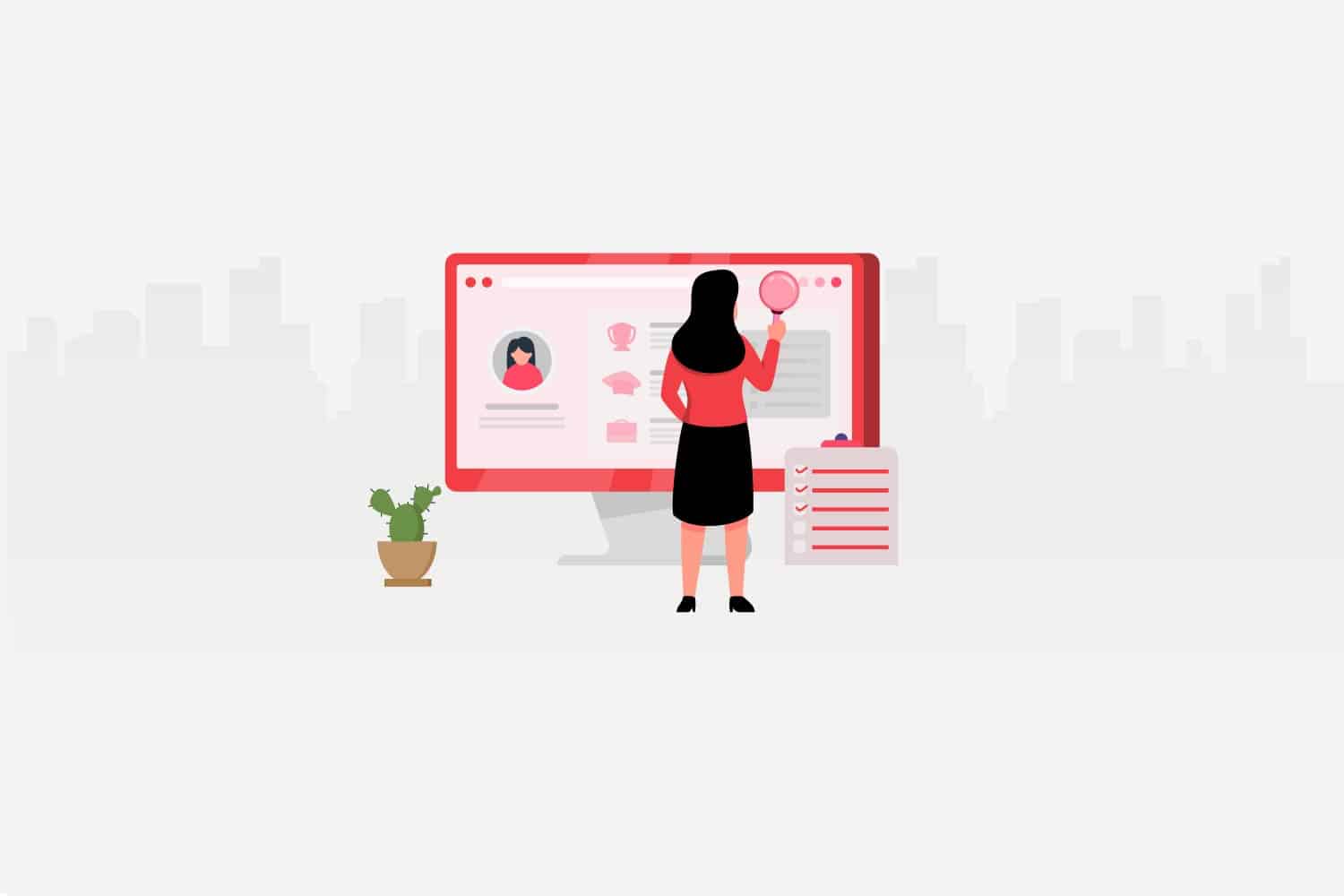
Pre-hire assessments aren’t just for filling open roles. They help organizations understand workforce skills, identify capability gaps, support internal mobility, plan learning and development, and prepare for future hiring needs. Whether you’re in a hiring freeze, reducing recruitment, or simply building a stronger talent strategy, skills assessments provide data that resumes and performance reviews often miss.
In this guide, you’ll discover five ways pre-hire assessments create value even when you’re not actively hiring, from workforce planning and succession management to employee development and skills-based talent decisions.
 ChatGPT
 Gemini
 Claude
 Grok
Grok Perplexity
TL;DR
- Pre-hire assessments measure skills, cognitive ability, and behavior. That data is useful long after the offer letter.
- Benchmark your current team to see real strengths and gaps, not job titles.
- Turn assessment results into targeted development plans instead of generic training.
- Use the same evidence to spot high-potential people and build a succession pipeline.
- A well-run assessment experience also builds employer brand and tightens the roles you hire for next.
- The payoff comes from acting on the scores, so pair every assessment with a plan.

What does off-cycle talent assessment mean?
Off-cycle talent assessment means running pre-hire style assessments on your existing workforce, or keeping them live between open roles, to measure skills, cognitive ability, and behavior. Instead of scoring outside candidates, you score current employees or your process itself. The goal is a current, objective read on capability that informs development, planning, and future hiring.
The tools do not change. A coding test, a cognitive ability test, or a role simulation works the same whether the taker is a candidate or a five-year veteran. What changes is the question you ask of the results. Below is how the five off-cycle uses compare.
Off-cycle use | What it answers | Who acts on it |
|---|---|---|
Team benchmarking | Where are our real skill strengths and gaps? | People analytics, team leads |
Employee development | What should each person learn next? | L&D, managers |
Succession planning | Who is ready, or nearly ready, to step up? | HR, senior leaders |
Employer branding | Does our process feel fair and modern? | Talent acquisition, marketing |
Role definition | What should the next hire actually prove? | Hiring managers, recruiters |
What are the 5 ways pre-hire assessments help when you’re not hiring?
Most organizations use pre-hire assessments only when there’s an open role to fill. But that’s just one stage of their value. The same skills, cognitive ability, personality, and role-specific assessments can generate objective workforce data that supports talent decisions throughout the employee lifecycle.
Instead of sitting idle between hiring cycles, assessment data can help HR teams benchmark skills, personalize development, strengthen succession planning, improve employer branding, and build more effective hiring strategies for the future.
Here are the five biggest ways pre-hire assessments create value even when you’re not actively recruiting:
1. Benchmark your team’s skills
Assessments provide a consistent way to measure employee capabilities across teams. Rather than relying solely on job titles or manager opinions, organizations can identify strengths, uncover hidden skill gaps, compare performance across similar roles, and establish clear benchmarks for future hiring. This creates a reliable baseline for workforce planning and helps ensure hiring standards reflect the capabilities of top performers.
2. Guide employee development
Assessment results make learning and development more targeted. Instead of assigning generic training programs, organizations can identify specific competency gaps for each employee and recommend personalized development plans. This allows HR and managers to measure progress over time, improve engagement, and invest training resources where they have the greatest impact.
3. Support succession planning
Objective assessment data helps identify employees who are ready—or nearly ready—for leadership opportunities. By measuring competencies such as problem-solving, judgment, communication, and leadership potential, organizations can build stronger succession pipelines while reducing reliance on subjective evaluations or manager bias.
4. Strengthen your employer brand
Candidate assessments influence how people perceive your organization, even when hiring is paused. Reviewing and improving assessment experiences ensures they remain fair, relevant, and skills-focused. A transparent assessment process reinforces your employer brand, builds trust with future candidates, and prepares your recruitment process for when hiring resumes.
5. Refine future hiring criteria
Assessment data reveals which skills and competencies actually predict success in a role. Organizations can use these insights to improve job descriptions, redesign assessment strategies, calibrate hiring benchmarks, and focus future recruitment on measurable skills rather than assumptions or outdated requirements.
Can assessments benchmark your team’s skills?
They can, and it is the fastest win. Run the same validated assessment across a team and you get a like-for-like read on who is strong where, measured against a consistent standard rather than a manager’s memory of the last project. Titles hide this. Two people with the same “senior analyst” label can sit a full band apart on data reasoning, and you would never know from a performance review.
Benchmarking also sets the bar for future hiring. Once you know your top quartile scores a certain way on a role-relevant test, that becomes the cutoff a new candidate should clear. So the exercise pays twice: a map of your current bench, and a calibrated target for the next req. Start with one team and a single competency that matters, then widen.
How do assessments guide employee development?
Generic training is expensive guesswork. An assessment turns a vague “improve communication” into a specific, measured gap you can build a plan around, then re-measure later to prove the plan worked. That closes the loop most L&D programs never close.
The upside is real. Gallup found that strengths-based development produces 23% higher engagement and up to 18% higher performance than teams that ignore it. And development is a retention lever, not just a performance one: LinkedIn’s data shows companies with a strong learning culture see 57% higher retention and 23% more internal mobility. Assessment data is what makes that learning targeted instead of one-size-fits-all. Point people at the two skills their results flag, not a generic cataloge.
How do you act on off-cycle assessment data?
Assessment scores are inert until a decision uses them. The Testlify Quality-of-Hire Learning Model is built for exactly this: connect pre-hire evidence to post-hire outcomes such as performance, ramp time, and retention, then refine your assessments, benchmarks, and workflows based on what actually predicts success. Off-cycle, the same loop tells you which skills to develop, who to promote, and what to test for next. AI helps summarize and structure the evidence; a human still makes the call.
Run it as a simple cycle: measure a team, compare scores to role outcomes, act on the two clearest gaps, then re-measure in a quarter. A 500-person company that assesses one 20-person department a month builds a living skills inventory inside 12 months, at a fraction of the $4,129 average cost per hire SHRM reports for filling gaps from outside.
One caution: treat off-cycle assessment as carefully as you treat hiring. Use the same validated, role-relevant tests for everyone on a team, document why each competency matters, and keep results tied to development rather than punishment. A fair, consistent process is what makes the data defensible if a promotion or restructuring decision is ever questioned, and it is what keeps employees willing to sit the next test.
Pro Tip: Do not assess everyone at once. Pick one team and one high-stakes competency, run it, and act on the results before you expand. A small loop you finish beats a company-wide rollout that stalls in a spreadsheet nobody opens.
Key Takeaways
Pre-hire assessments are a measurement system, and measurement stays useful long after a candidate becomes an employee. Between hires, that same system tells you where your team is strong, who is ready to step up, and what your next role should actually test for. The five uses above all run off one idea: score capability objectively, then let a person act on what the numbers show. Here is what to remember.
- Assessment data does not expire at the offer stage. The same tools that screen candidates can benchmark, develop, and plan for the team you already have, without waiting for a role to open.
- Benchmark first. A like-for-like read on current skills exposes gaps that titles and reviews hide, and it calibrates the bar for your next hire against your own top performers.
- Development beats guesswork. Strengths-based plans drive 23% higher engagement and up to 18% higher performance, and a strong learning culture lifts retention by 57%.
- Succession needs a second signal. Objective scores surface quiet high performers that gut-feel reviews miss, and they help build a bench from inside instead of hiring every leader from the market.
- Act, then re-measure. Scores only pay off when a decision uses them, so pair every assessment with a plan and a follow-up check 90 days later.
Hire and develop smarter with skills-first evidence
Pick one team this quarter, run a role-relevant assessment, and build a plan from what you find. Testlify gives you the test library and reporting to benchmark, develop, and plan without waiting for a req to open.
Can pre-hire assessments be used for existing employees?
Yes. The same skills, cognitive, and personality assessments used to screen candidates can measure your current team. The results support benchmarking, development planning, and succession, giving you an objective read on capability without waiting for a role to open.
How do pre-employment assessments support succession planning?
They add an objective signal to a process that often runs on reputation. By assessing employees against the competencies the next level needs, such as judgment and problem-solving, you surface ready or near-ready people that a subjective review would miss, and you build your leadership bench from the inside.
What is benchmarking in pre-employment assessments?
Benchmarking runs the same validated assessment across a team so everyone is measured against one consistent standard. It shows real skill strengths and gaps that job titles hide, and the top performers’ scores set a calibrated cutoff for the next candidate you hire.
Do pre-hire assessments improve employer branding?
A fair, clear, well-designed assessment signals that you evaluate people on merit, and candidates who have a good experience recommend you to others. Auditing that experience during a hiring freeze keeps your employer brand strong and ready for when roles reopen.
How can assessments identify high-potential employees?
Objective scores cut through visibility bias. Instead of promoting the loudest or most proximate person, you compare measured results on role-relevant competencies, which reliably surfaces quiet high performers who deliver but do not self-promote.
Are pre-employment assessments only useful when hiring?
No. Limiting them to open reqs leaves most of their value unused. Off-cycle, the same data drives team benchmarking, targeted development, succession planning, employer-brand audits, and sharper role definitions for the hires you make next.
Related resources
View all
Candidate assessment
Know everything about skill-based recruitment tests
Candidate assessment
5 strategies for Mastering Recruitment Tests

Candidate assessment
6 new and emerging trends in developer evaluation assessments
Candidate assessment
Types of Aptitude Tests: How to Choose the Right One

Candidate assessment
Coding assessments: Types and how to choose the right one

Candidate assessment
5 best practices for designing coding assessments
Get started.
Hire on proof, not resumes.
Run your first skills-based assessment free — no credit card required.