
How Pre-Employment Assessments Redefined Skill-Based Hiring
Pre-employment assessments, such as cognitive, personality, and skill assessment tests, can help companies streamline the hiring process.
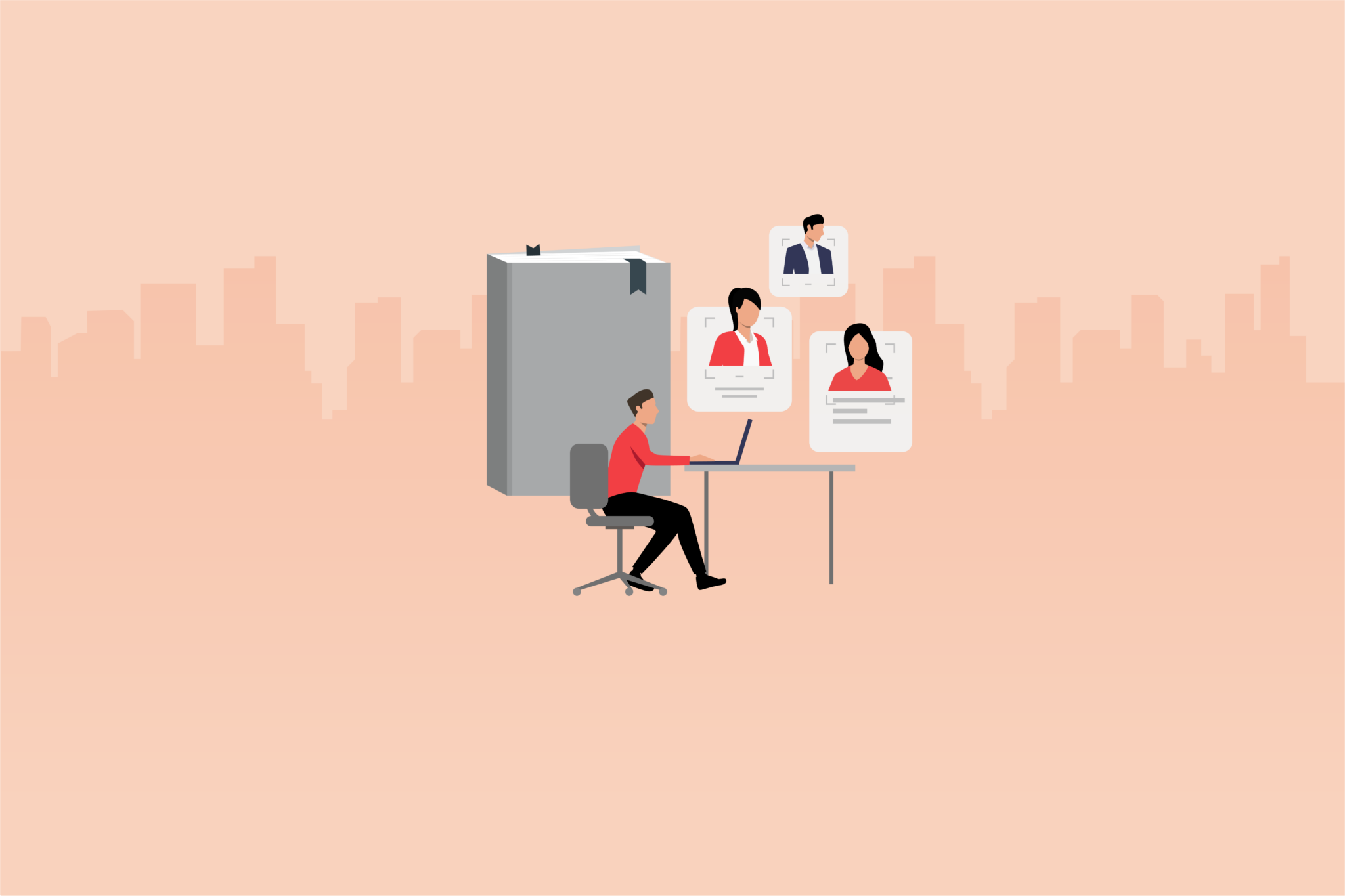
There is a good reason why skill-based hiring is rapidly replacing traditional recruitment: hiring candidates based on their demonstrated competencies rather than college degrees or job titles expands the talent pool and improves the quality of hires. As skill-based hiring becomes more popular, companies increasingly conduct pre-employment assessments to identify top talent.
In this article, we will learn more about pre-employment assessments and their role in modern recruitment.
 ChatGPT
 Gemini
 Claude
 Grok
Grok Perplexity
Why Resume and Cover Letters Are Not Enough
As companies increasingly shift toward skill-based hiring, traditional hiring methods—such as resumes and cover letters—are no longer enough to secure a job. While they still play an important role in candidate screening, they provide limited information on candidates’ suitability for the job.
After all, just because someone uses a well-crafted resume template that highlights their qualifications and achievements doesn’t always mean they are the perfect fit for the role.
In fact, many candidates exaggerate their skills and experience to seem more qualified or embellish their cover letters to appear more motivated than they genuinely are. Such dishonesty can make talent assessment challenging because it gives an inaccurate view of the candidate.
Not to mention, resume and cover letter screening can trigger unconscious biases, clouding recruiters’ judgment and impacting their hiring decisions. To avoid such biases and ensure fair and efficient recruitment processes, companies increasingly utilize recruitment technology, data-driven strategies, and AI in hiring.

The Growing Importance of Pre-Employment Assessments
Pre-employment assessments are standardized recruitment tools designed to evaluate candidates’ skills, personality traits, and competencies to determine their suitability for the role. The importance of these assessments keeps growing in today’s fast-paced job market, as theyfacilitate the automation of the hiring process.
In doing so, pre-employment assessments help companies quickly identify and hire candidates with the necessary skills and competencies. By streamlining the hiring process, they can also reduce recruitment costs.
Besides time and cost efficiency, pre-employment assessments also offer an objective evaluation of technical skills and other role-related qualities candidates are expected to have. Since they leave no room for subjectivity, they can help ensure a fair hiring process, reduce hiring bias, and promote diversity in the workplace.
Furthermore, a study by Christine A. Henle et al. suggests that pre-employment testing—specifically, personality assessments—can help screen out applicants who engage in resume fraud.
Better yet, pre-employment assessments can help companies identify candidates who fit the role and company culture to a tee. In turn, companies that use them may enjoy greater employee retention rates.
Types of Pre-Employment Assessments in 2025
While there are many types of pre-employment assessments, cognitive, personality, integrity, and skills assessment tests are among the most popular in 2025.
Let’s explore them in greater depth:
#1. Cognitive Tests
Cognitive tests measure the candidate’s capacity for reasoning, problem-solving, learning, and other mental abilities. A candidate’s performance on these tests can help recruiters gauge their ability to succeed in roles that involve complex tasks, such as those requiring critical thinking.
The aptitude test, which measures the candidate’s numerical, verbal, and logical reasoning skills, is an excellent example of a cognitive ability test. Besides pre-employment assessment, employers can also use it for internal promotions and training purposes.
#2. Personality Tests
Personality tests can help companies learn more about candidates’ personality traits, behavioral style, and the strengths and weaknesses they may bring to the workplace.
By providing more insight into the candidate’s personality, these tests can help companies anticipate how well an applicant might fit within the company’s culture and what career paths suit their personality best. As such, these tests can be used to make informed hiring decisions and transform team dynamics.
Here are some examples of popular personality tests used in pre-employment assessments:
- 16 Personality test
- Enneagram personality test
- DISC personality assessment
- Five-factor model of personality, also known as Big Five or OCEAN
#3. Integrity Tests
Integrity tests assess applicants’ honesty, morality, and professionalism. In other words, these tests provide insight into the reliability of a candidate by evaluating their work ethic and ability to make ethical decisions, communicate truthfully, and take responsibility for their actions.
Conducting pre-employment assessments that measure candidates’ integrity can help companies ensure they hire employees who are trustworthy, professional, and capable of adhering to the company’s policies. This can also reduce the likelihood of deceptive, unethical, and fraudulent behavior in the workplace, such as theft.
#4. Skills Assessment Tests
Skills assessment tests evaluate role-specific technical abilities (hard skills) and interpersonal qualities (soft skills). These tests help determine how competent candidates are by assessing whether they have the necessary skill set to perform their job successfully.
For example, developers may have to pass tests that measure their proficiency in coding languages, whereas candidates applying to roles that require strong interpersonal skills may undergo emotional intelligence tests.
How Candidates Can Prepare for Pre-Employment Assessment: 3 Tips
Candidates can prepare for pre-employment assessments by taking practice tests, focusing on their mental and physical well-being, and ensuring a distraction-free environment.
If you’re about to take such an assessment, here’s how these tips can help you prepare for it:
#1. Taking Practice Tests
If you know what type of pre-employment assessment you will undergo, consider taking a similar practice test online. This can help you become more familiar with the questions or tasks and give you pointers for improvement. For roles involving presentations, client interaction, or voice-based communication, practicing delivery can be equally important. In such cases, tools like text to speech can help candidates listen to how their words might sound, refine tone, and improve clarity before the real test or interview.
#2. Focusing On Mental and Physical Well-Being
A good night’s sleep and a nutritious meal before the pre-employment assessment can help you sharpen your mind, judgment, and focus. Practicing stress management techniques, such as deep breathing, can also help reduce stress, leading to better decisions and performance.
#3. Ensuring a Distraction-Free Environment
If your pre-employment assessment will be conducted online, make sure there are as few distractions around you as possible. Finding a quiet place to take the test and checking the internet connection in advance can help reduce interruptions that may affect your performance.
Final Thoughts
While many candidates look good on paper, the truth is that not all have the skills to back up their resumes. So, it’s no surprise that skill-based hiring continues to gain prominence.
Any company seeking candidates with role-specific skills or certain personality traits can benefit from pre-employment assessments. These tests promote objective, data-driven hiring decisions, making them invaluable in modern recruitment.

Wordpress Developer
Yash Patel is a Wordpress and SEO Specialist at Testlify with 3+ years of experience in technical SEO, on-page optimization, and content strategy. He works on improving Testlify's organic presence and produces content focused on hiring, talent assessment, and HR technology.
LinkedInRelated resources
View all
HR & recruitment
Understanding HR Recruitment: Step-By-Step Guide To Recruit The Perfect Employees

HR & recruitment
How Recruitment Platforms Can Benefit from Cloud Storage Solutions
HR & recruitment
Internship offer email: 13 templates that get a yes
HR & recruitment
Legal & compliance checklist for hiring in 2026

HR & recruitment
How does structured hiring improve recruitment?

HR & recruitment
Should pre-hire tests be mandatory for all?
Get started.
Hire on proof, not resumes.
Run your first skills-based assessment free — no credit card required.