
The five main responsibilities of a human resources director
A human resources director oversees recruitment, employee relations, compliance, training, and strategic planning. Discover the core duties that drive HR success.
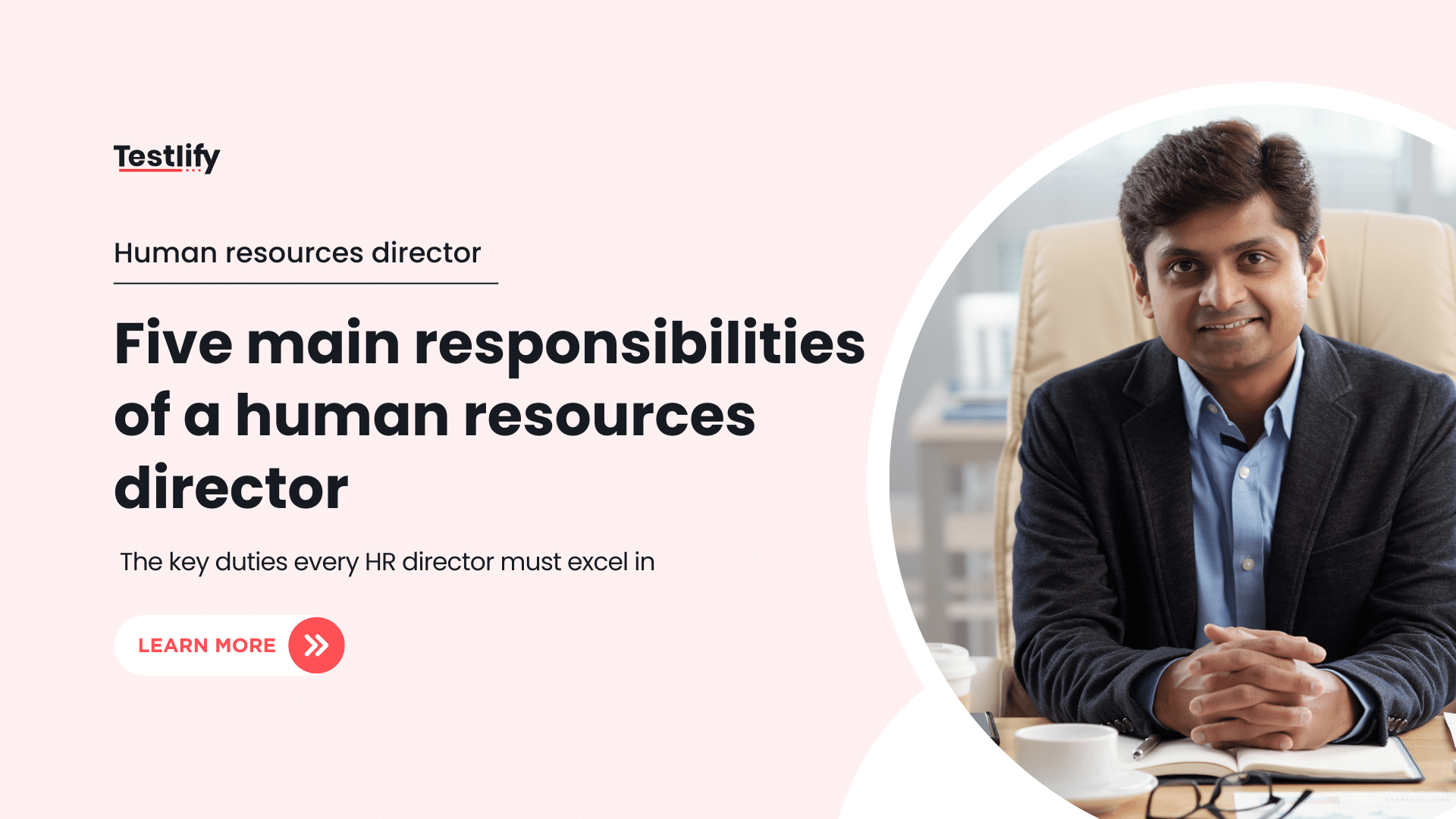
The role of the Director of Human Resources It is crucial for the proper functioning of any organization. This person is in charge of managing human capital, which is one of the most valuable assets of any company. Responsibilities are diverse and go beyond basic administrative tasks.
In this article, we review the six main responsibilities that define the role of a Human Resources Director. We also touch on how they are contributing to the success of an organization.
 ChatGPT
 Gemini
 Claude
 Grok
Grok Perplexity
Talent management
One of the most visible responsibilities of the HR Director is the recruitment and selection process. This process is essential to ensure that the company has the appropriate personnel to meet its objectives. The HR Director must design effective recruitment strategies, select the appropriate recruitment channels and manage the selection process to identify the most qualified candidates. In this process, it is important that the HR Director develops the employer branding of the company.
Once a candidate has passed the selection process, it is essential that they integrate well into the company with a good recruitment process. employee onboarding. When an employee starts working the right way, their performance in the company can make a difference.
After hiring, The HR Director must focus on continuous development and employee retention. This includes implementing training and development programs that help employees acquire new skills and improve their performance. Additionally, it is essential to develop strategies to retain key talent, which may include the creation of career plans, internal promotions, and recognition and rewards programs.

Labor relations management
Industrial relationships are an integral part of the work environment and effective management of these relationships is crucial to maintaining a harmonious work environment. The HR Director must be prepared to handle conflicts and resolve disputes between employees or between employees and management. This requires mediation skills and a deep understanding of employment laws and employee rights.
Another important facet of labor relations management is the negotiation of contracts and benefits. The HR Director should work closely with unions and other employee representatives to negotiate terms that are equitable and foster a good working relationship. This includes negotiating salaries, benefits, and working conditions.
Legal and regulatory compliance
The HR Director is responsible for ensuring that the company complies with all applicable labor laws and regulations.This includes compliance with regulations on wages, working hours, workplace safety, equal opportunities and employee rights. Failure to comply with these laws can result in significant penalties and negatively affect the company’s reputation.
The HR Director must also manage internal and external audits to ensure that all HR practices are in compliance with laws and company policies. This includes preparing regular reports on compliance status and implementing corrective measures where necessary.
Payroll payment and employee benefits management
One of the critical responsibilities of the HR Director is payroll administration. This involves ensuring that employees receive their payments accurately and in a timely manner. The management of the roster iIncludes the coordination of salary calculations, tax deductions and other withholdings, such as contributions to pension or insurance funds. The HR Director must ensure that all these processes are carried out in accordance with labor laws and the company’s internal policies.
In addition to salary, benefits are a crucial component of the compensation package that employees receive. The HR Director is responsible for managing and administering these benefits, which may include health insurance, life insurance, retirement plans, bonuses and other incentives. This involves negotiating with benefits service providers, managing enrollment, and ensuring benefits are delivered effectively.
The HR Director must also ensure that all aspects related to payroll and benefits comply with legal and tax regulations. This includes being aware of applicable laws and regulations that affect pay and benefits, and making necessary adjustments to comply with these requirements. Proper compliance helps avoid penalties and legal issues that may arise due to errors or irregularities in payroll and benefits administration.
An important part of payroll and benefits management is communication with employees. The HR Director must provide clear and accessible information about compensation and benefits packages, ensuring that employees understand the details and options available. This includes answering questions and resolving issues related to compensation and benefits effectively.
Conclusion
The role of the Director of Human Resources is multifaceted and essential to the success of any organization. From creating strategies and policies to talent management, conflict resolution, legal compliance, organizational change management, and payroll and benefits administration, each of these responsibilities plays a crucial role in creating an effective and productive work environment.
For further reading, explore Human Resources Specialist, Clinical Director & Director Of Nursing.
For further reading, explore Commercial Director, Copywriter Editorial Director & Director Of Finance.

Wordpress Developer
Yash Patel is a Wordpress and SEO Specialist at Testlify with 3+ years of experience in technical SEO, on-page optimization, and content strategy. He works on improving Testlify's organic presence and produces content focused on hiring, talent assessment, and HR technology.
LinkedInRelated resources
View all
HR & recruitment
100 key recruitment statistics to hire better in 2026

HR & recruitment
What is an internal talent marketplace and how does it work?

HR & recruitment
Skills mismatch: types, causes, and how to fix it in 2026
HR & recruitment
What is a skills inventory and how to create one?
HR & recruitment
How to build autonomous teams?
HR & recruitment
An HR’s guide to internal mobility
Get started.
Hire on proof, not resumes.
Run your first skills-based assessment free — no credit card required.